The Evolution of Marine Technology
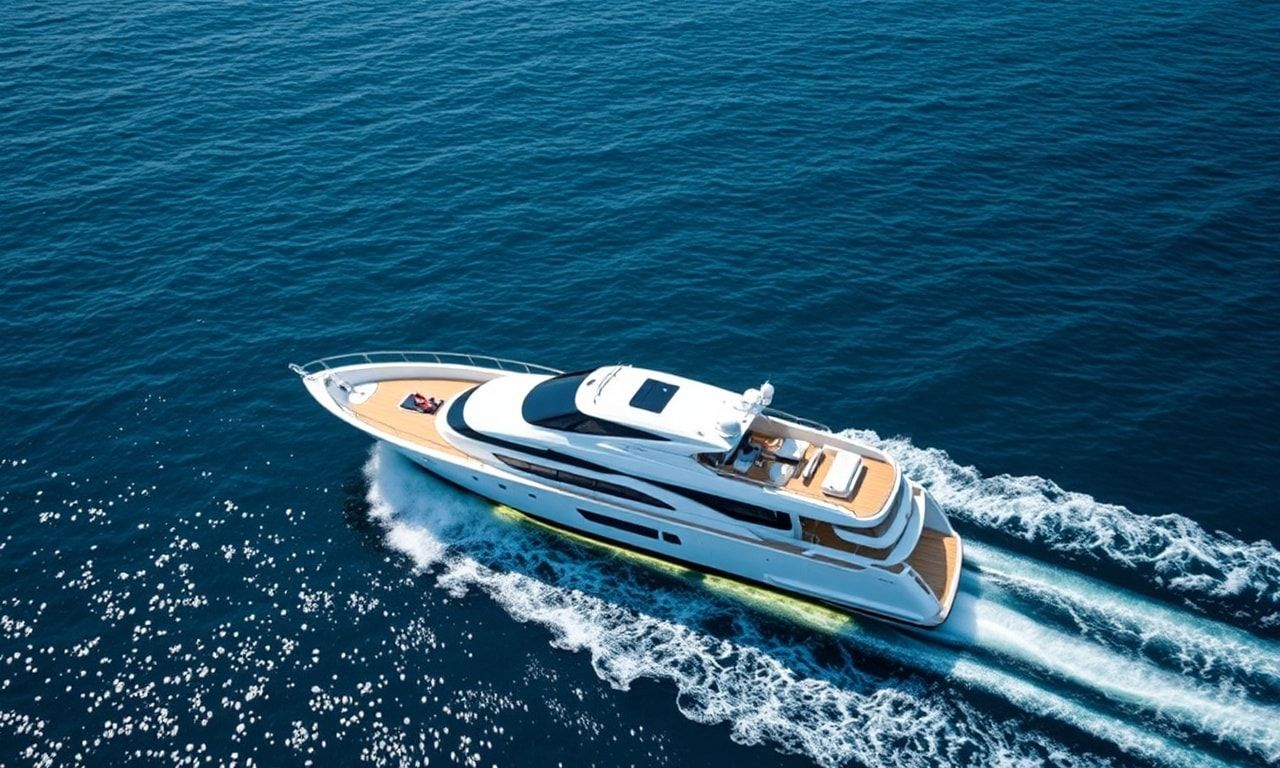
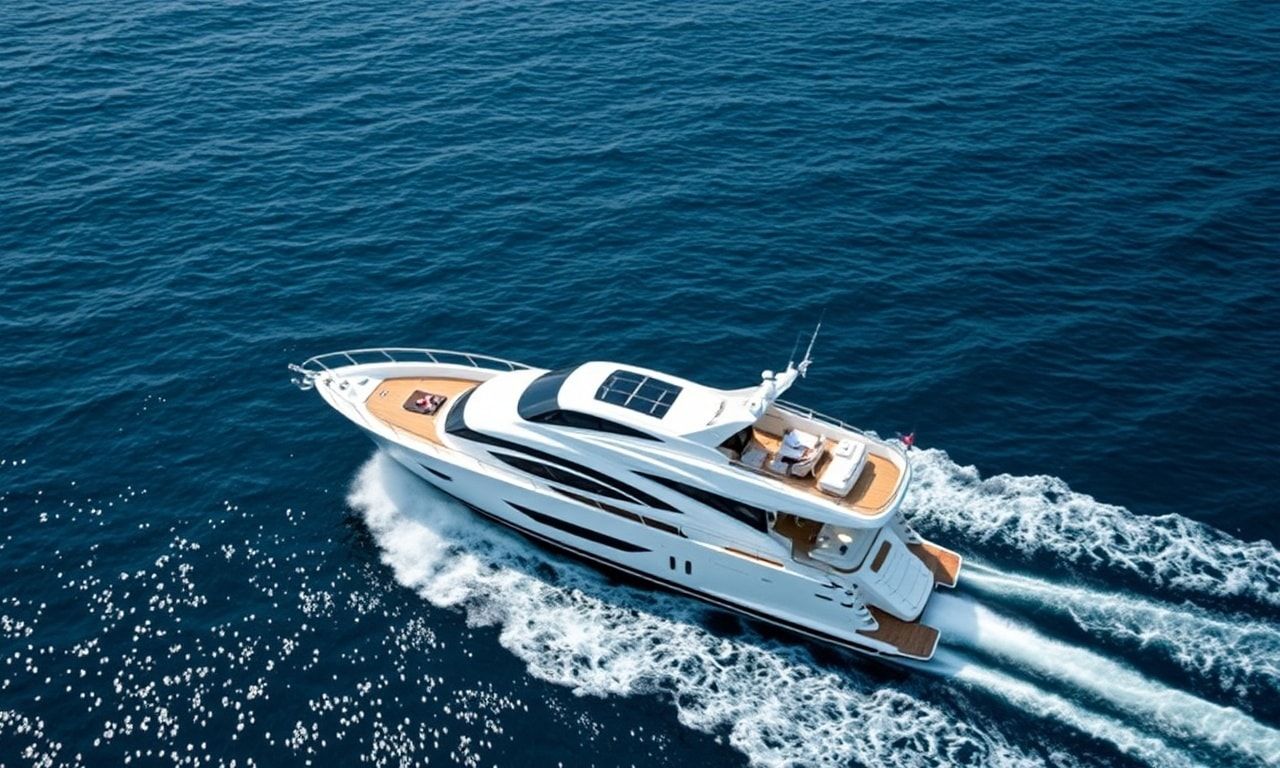
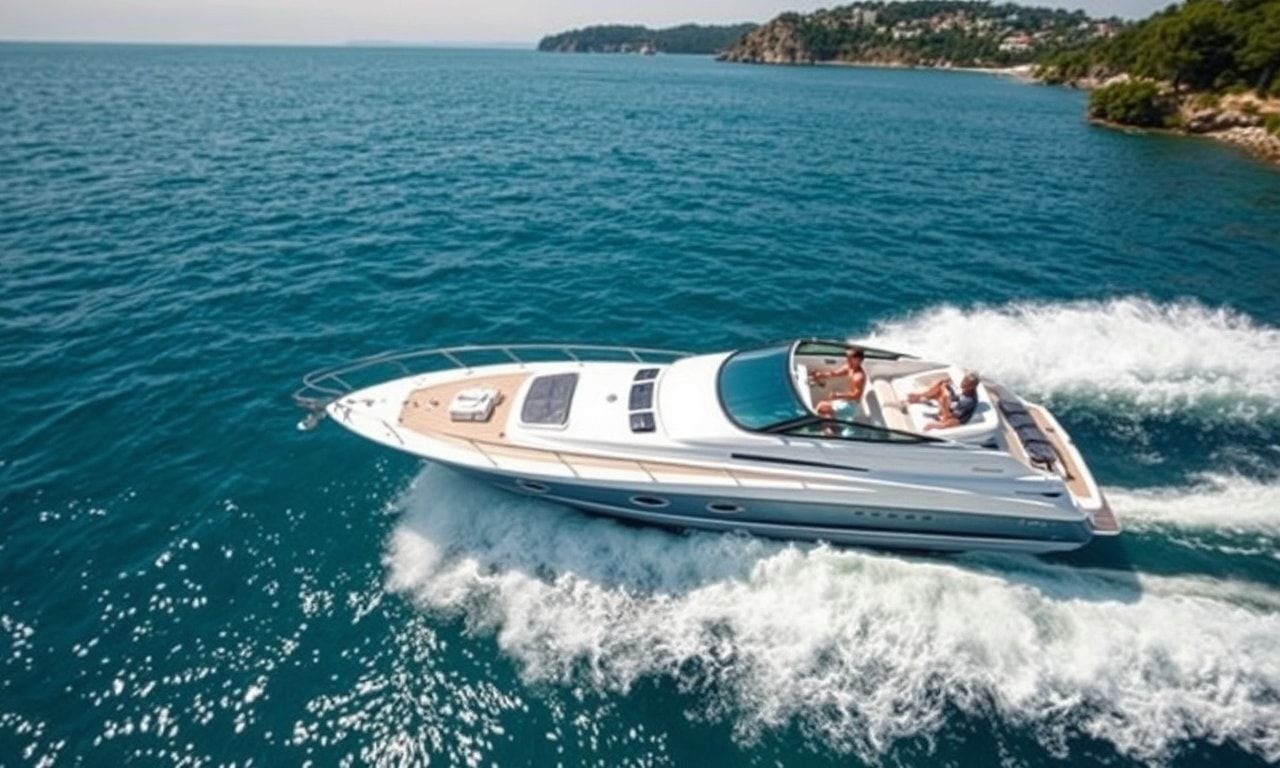
The maritime industry has always been a pioneer in adopting new technologies to enhance safety, efficiency, and luxury. From the earliest compasses and sextants to modern GPS systems, the evolution of marine technology has been nothing short of remarkable. Today, the yachting industry is at the forefront of this technological revolution, integrating cutting-edge innovations to create unparalleled experiences on the water.
Smart Yachts: The Future is Here
Smart yachts are the epitome of modern marine technology. These vessels are equipped with advanced systems that allow for remote monitoring and control. Imagine adjusting the temperature, lighting, and entertainment systems of your yacht from the comfort of your home. Smart yachts also feature advanced navigation systems that use AI to optimize routes, taking into account weather conditions, sea currents, and other factors to ensure a smooth and efficient journey.
One of the key components of smart yachts is the integration of IoT (Internet of Things) devices. These devices collect and analyze data in real-time, providing valuable insights into the yacht’s performance and maintenance needs. For instance, sensors can monitor engine health, fuel consumption, and even detect potential issues before they become major problems. This proactive approach to maintenance not only extends the lifespan of the yacht but also ensures the safety of its occupants.
The Role of AI in Yachting
Artificial Intelligence (AI) is playing an increasingly significant role in the yachting industry. AI-powered systems can analyze vast amounts of data to predict weather patterns, optimize fuel efficiency, and even assist in navigation. For example, AI algorithms can process satellite imagery and weather data to provide accurate forecasts, helping captains make informed decisions about their routes.
AI is also being used to enhance the onboard experience. Virtual assistants, powered by AI, can manage schedules, make reservations, and even provide personalized recommendations for activities and destinations. These assistants can learn from user preferences and behaviors, offering a tailored experience that caters to the unique needs and desires of each passenger.
Cybersecurity in the Maritime Industry
As yachts become more connected, the need for robust cybersecurity measures becomes paramount. The integration of IoT devices and smart systems creates numerous entry points for potential cyber threats. To mitigate these risks, yacht owners and manufacturers must implement comprehensive cybersecurity strategies.
One of the key aspects of cybersecurity in the maritime industry is the use of encryption. Encryption ensures that data transmitted between devices is secure and protected from unauthorized access. Additionally, regular software updates and patches are essential to address vulnerabilities and keep systems up-to-date.
Another important consideration is the use of secure networks. Yachts should be equipped with firewalls and intrusion detection systems to monitor network traffic and block suspicious activities. Training crew members on cybersecurity best practices is also crucial, as human error can often be the weakest link in the security chain.
Understanding Kampalanları
For those interested in the technical aspects of yachting, understanding the components and systems that make up a yacht is essential. Kampalanları, or marine fittings, play a crucial role in the structural integrity and functionality of a yacht. These fittings include a wide range of hardware such as cleats, pulleys, and turnbuckles, which are used to secure rigging and other equipment. For a detailed understanding of these components, you can refer to resources like kampalanları hakkında detaylı bilgi.
The Future of Yachting Technology
The future of yachting technology is bright and full of possibilities. Emerging technologies such as autonomous sailing, hydrogen-powered yachts, and advanced virtual reality experiences are set to revolutionize the industry. Autonomous sailing, for instance, uses AI and robotics to navigate and operate yachts without the need for human intervention. This technology not only enhances safety but also opens up new opportunities for leisure and exploration.
Hydrogen-powered yachts are another exciting development. These yachts use hydrogen fuel cells to generate electricity, offering a clean and sustainable alternative to traditional fossil fuels. As the world moves towards a greener future, hydrogen-powered yachts are poised to become a popular choice for environmentally conscious yacht owners.
Virtual reality (VR) is also making waves in the yachting industry. VR technology allows potential buyers to take virtual tours of yachts, providing an immersive experience that showcases the vessel’s features and amenities. This technology not only enhances the buying process but also offers a new way for yacht owners to explore and plan their voyages.
Conclusion
The yachting industry is undergoing a technological renaissance, with innovations that promise to enhance safety, efficiency, and luxury. From smart yachts and AI-powered systems to advanced cybersecurity measures and sustainable technologies, the future of yachting is bright. As these technologies continue to evolve, the yachting experience will become more personalized, efficient, and enjoyable for all.
Discover how technology is revolutionizing financial calculations by exploring secure interest calculation innovations in our latest feature.
To stay ahead in the rapidly evolving tech landscape, delve into digital marketing strategies for 2023 and learn how to leverage cutting-edge techniques for your tech-driven business.
As technology continues to reshape our world, it’s crucial to understand its impact on education; delve into education trends shaping our future to see how AI, software, and cybersecurity are transforming learning.