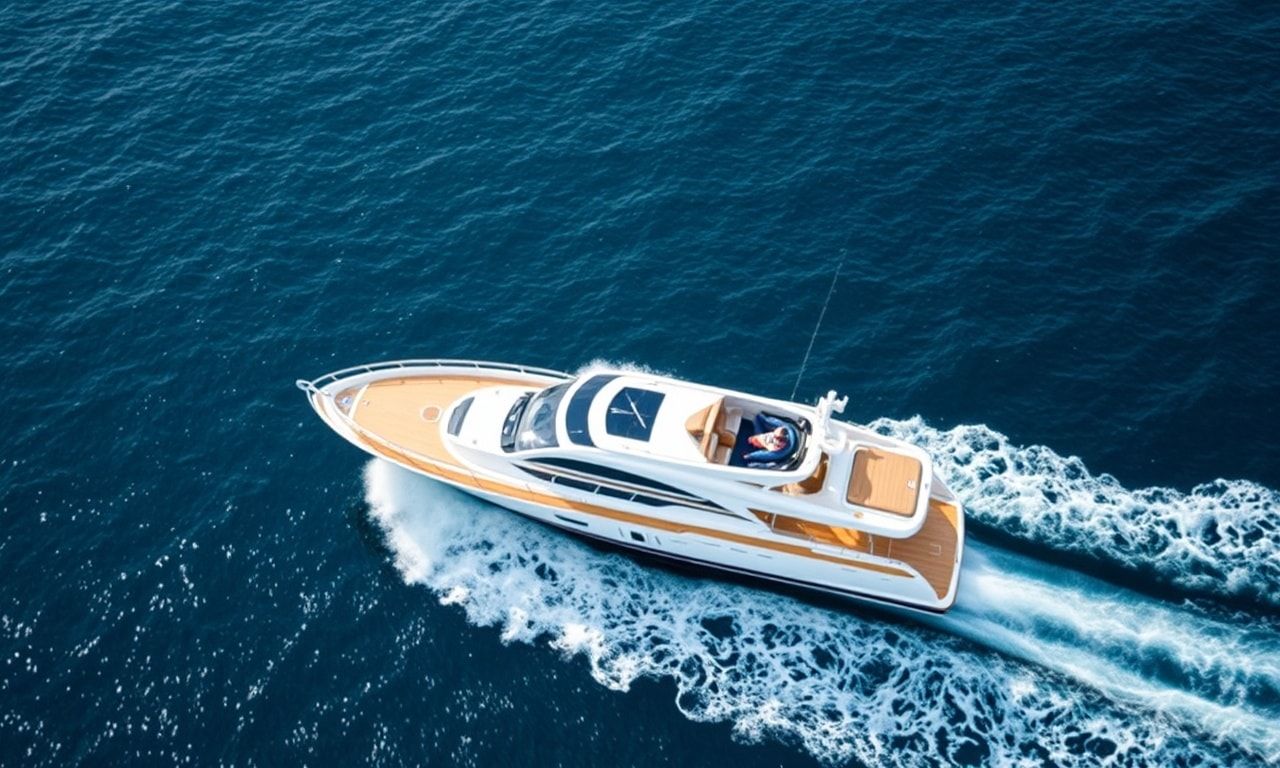
The Evolution of Maritime Technology
The maritime industry, including yachting, has seen significant advancements in technology over the past few decades. From navigation systems to communication tools, these innovations have transformed the way we experience the open sea. As technology continues to evolve, the yachting industry is poised to benefit from cutting-edge developments that enhance safety, efficiency, and luxury.
Smart Yachts: The Future of Seafaring
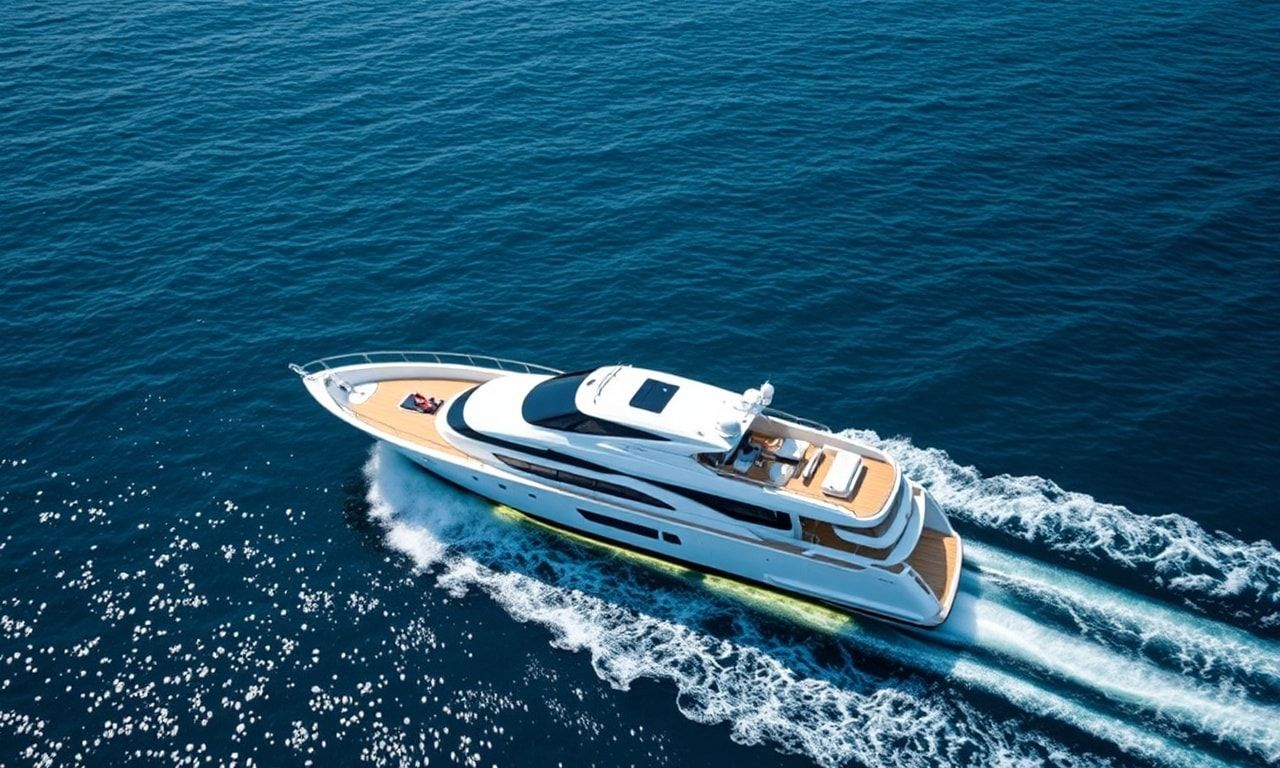
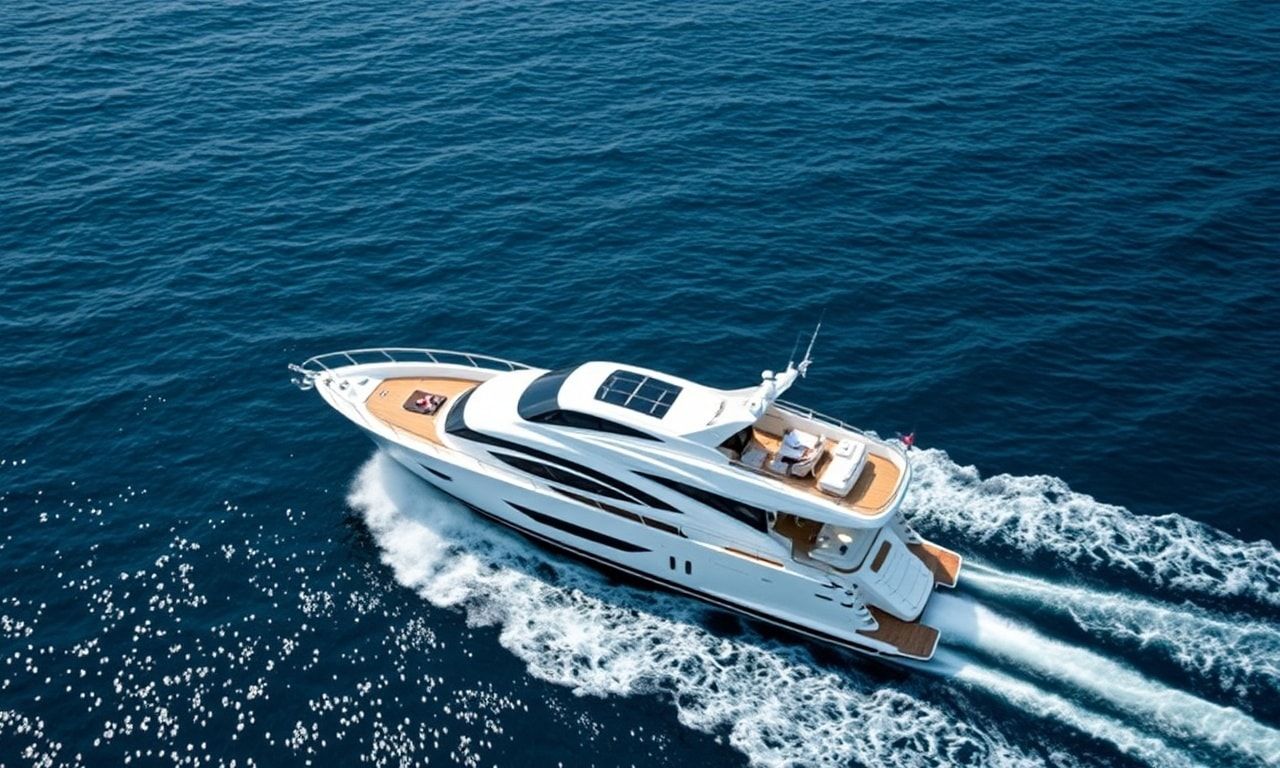
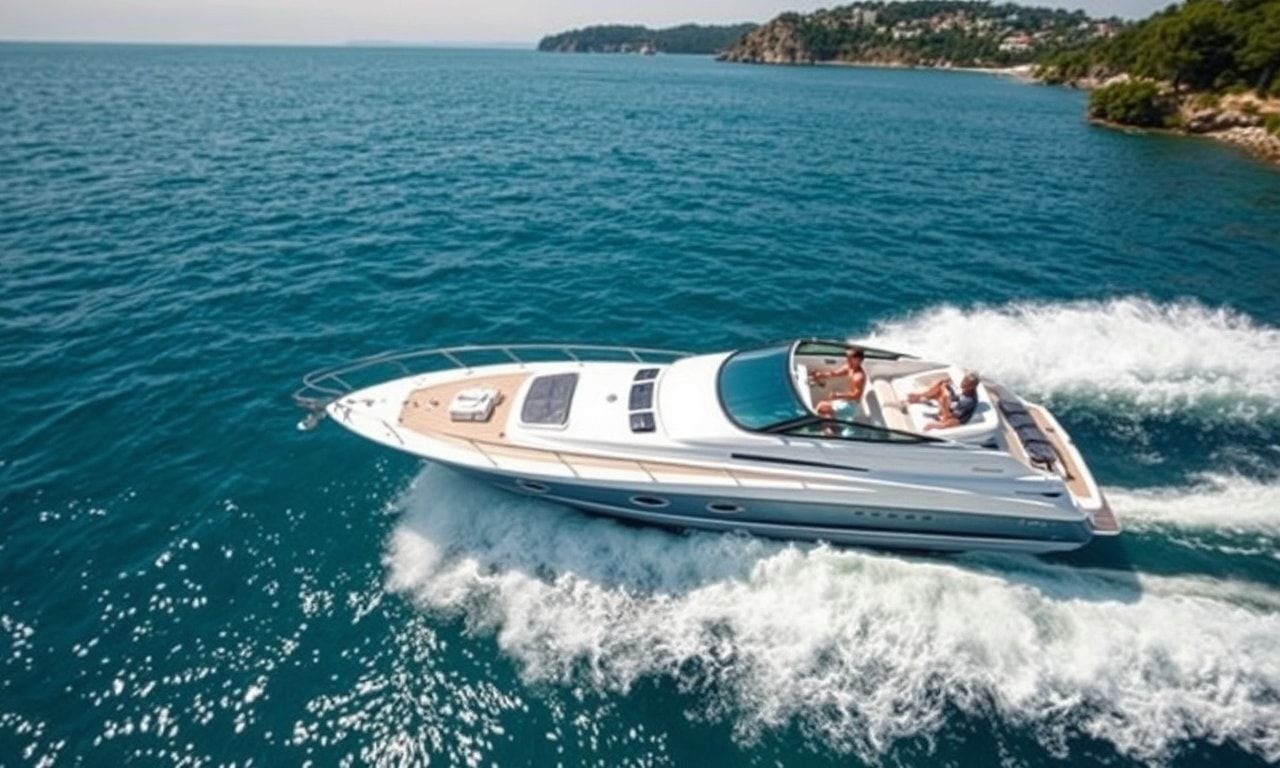
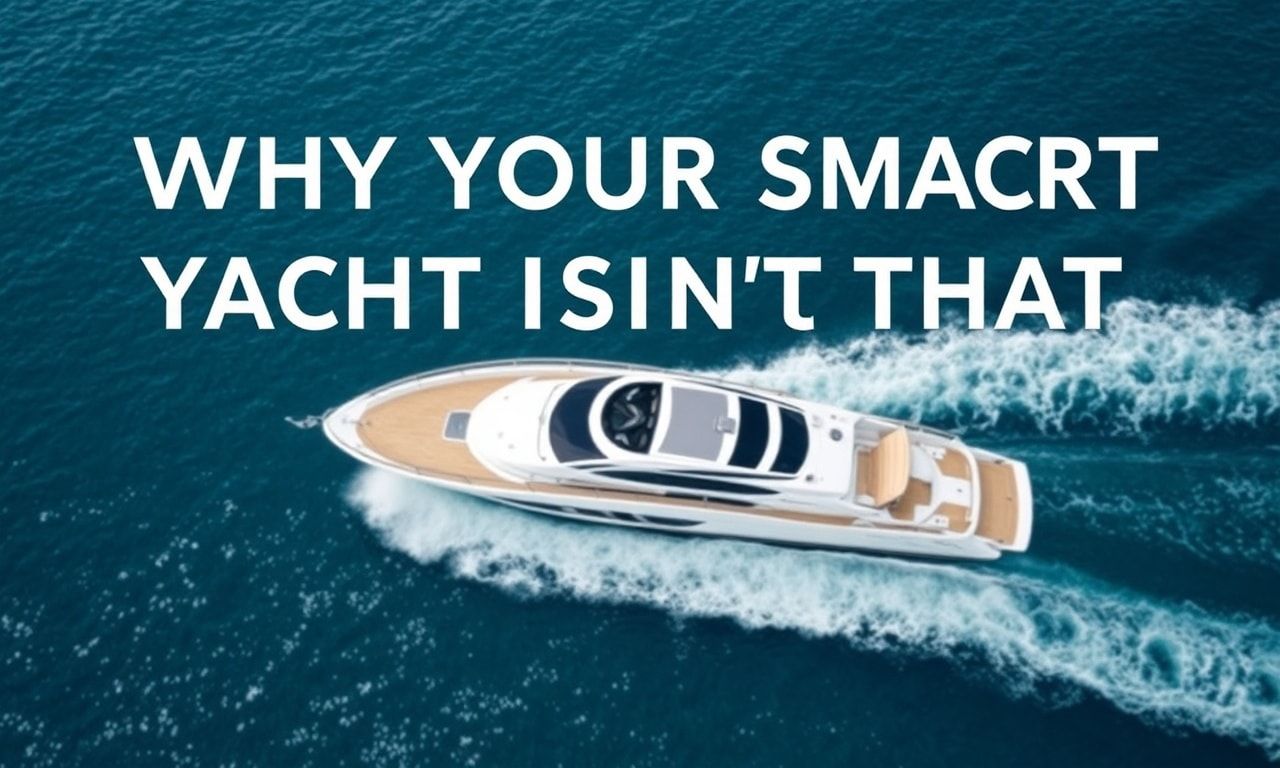
Smart yachts are revolutionizing the yachting experience by integrating advanced technology into every aspect of the vessel. These modern marvels come equipped with state-of-the-art navigation systems, automated docking mechanisms, and advanced communication tools. Smart yachts also feature energy-efficient systems that reduce environmental impact while maintaining high performance. The integration of artificial intelligence (AI) and the Internet of Things (IoT) allows for seamless operation and enhanced user experience.
One of the key features of smart yachts is their advanced navigation systems. These systems utilize GPS, radar, and other sensors to provide real-time data on the yacht’s position, speed, and surrounding environment. This information is crucial for safe and efficient navigation, especially in challenging conditions. Additionally, smart yachts often come with automated docking mechanisms that make it easier to maneuver the vessel in and out of tight spaces.
AI and Machine Learning in Yachting
Artificial intelligence and machine learning are playing an increasingly important role in the yachting industry. These technologies are used to analyze vast amounts of data, identify patterns, and make predictions that can improve the overall yachting experience. For example, AI can be used to optimize fuel consumption, predict maintenance needs, and enhance security measures.
Machine learning algorithms can analyze data from various sensors and systems on the yacht to identify potential issues before they become major problems. This proactive approach to maintenance can help prevent costly repairs and downtime. Additionally, AI-powered security systems can monitor the yacht for signs of intrusion or other security threats, providing an extra layer of protection for both the vessel and its occupants.
Cybersecurity in Maritime Technology
As yachts become more connected and reliant on digital systems, the importance of cybersecurity cannot be overstated. Cyber threats can compromise the safety and security of the yacht and its passengers, making it essential to implement robust security measures. This includes using encryption to protect data, implementing strong authentication protocols, and regularly updating software to patch vulnerabilities.
For those interested in the legal aspects of maritime technology, staying informed about the latest developments is crucial. Websites like noticias de derecho marítimo en España hoy provide valuable insights into the legal framework surrounding maritime activities, helping yacht owners and operators navigate the complex landscape of maritime law.
Sustainable Yachting: Eco-Friendly Innovations
The yachting industry is increasingly focused on sustainability, with many manufacturers and operators adopting eco-friendly practices and technologies. These innovations aim to reduce the environmental impact of yachting while maintaining the luxury and performance that discerning yacht owners expect.
One of the most significant advancements in sustainable yachting is the development of electric and hybrid yachts. These vessels use electric motors and batteries to reduce emissions and noise pollution, making them an attractive option for environmentally conscious yacht owners. Additionally, solar panels and wind turbines can be integrated into the yacht’s design to generate renewable energy, further reducing the reliance on fossil fuels.
Waste Management and Recycling
Effective waste management and recycling practices are essential for minimizing the environmental impact of yachting. Many modern yachts come equipped with advanced waste management systems that separate and treat waste to reduce pollution. These systems can process wastewater, solid waste, and even oil and fuel residues, ensuring that they are disposed of responsibly.
Recycling is another important aspect of sustainable yachting. Yacht owners and operators are encouraged to recycle materials such as plastic, glass, and metal to reduce waste and conserve resources. By implementing these practices, the yachting industry can contribute to a cleaner and healthier marine environment.
The Role of Technology in Enhancing the Yachting Experience
Technology plays a crucial role in enhancing the yachting experience, from improving safety and efficiency to providing entertainment and luxury. Advanced navigation systems, automated docking mechanisms, and AI-powered security systems all contribute to a safer and more enjoyable yachting experience.
Entertainment technology has also evolved significantly, with many yachts now featuring state-of-the-art audio and visual systems, high-speed internet, and smart home automation. These technologies allow yacht owners and their guests to stay connected and entertained while enjoying the beauty of the open sea.
In conclusion, the yachting industry is undergoing a technological revolution that is transforming the way we experience the sea. From smart yachts and AI-powered systems to sustainable practices and advanced entertainment technology, these innovations are enhancing the yachting experience in countless ways. As technology continues to evolve, the future of yachting looks brighter than ever.