
How to Buy a Yacht: A Practical Guide for First-Time Buyers
Learn how to choose a yacht, assess listings and brokers, compare ownership costs, and inspect a vessel’s condition and records before making an offer.

To buy a yacht, first define how and where you will use it, then set a realistic budget that includes ongoing ownership costs. Compare suitable listings and brokers, inspect a vessel with qualified professionals, and check its records before making an offer. A clear brief and careful due diligence help you avoid paying for a yacht that does not fit your plans.
Start by deciding who will use the yacht, how often you expect to cruise, and whether you want to sail, motor, or do both. These choices narrow the field more effectively than beginning with a length or a particular model.
Treat the purchase as a process rather than a single negotiation. The right sequence is to shortlist, verify, inspect, and review the costs before committing to a price or deposit.
- Choose a yacht for your real cruising plans, crew, and handling experience.
- Check listings and brokers carefully, and verify claims rather than relying on sales descriptions.
- Compare yacht types and total ownership costs before choosing a vessel.
- Arrange an independent survey and confirm ownership and maintenance records before committing.
Start with the Kind of Yacht and Use You Have in Mind
Match the Yacht to Your Plans
Choose a yacht around the trips you will actually take, not the journeys you imagine making once a year. Coastal weekends, extended cruising, entertaining guests, and offshore passages each call for different layouts, range, storage, and handling. Write down your likely routes and typical crew before browsing listings, so attractive but unsuitable vessels are easier to rule out.
- Write down your main use and cruising area.
- Set out who will usually be aboard.
- Identify the features you cannot compromise on.
- Separate essential features from nice-to-haves.
Consider where the yacht will be kept and the conditions it must handle. A vessel intended for sheltered bays may not have the range, systems, or seakeeping qualities you want for longer passages. Think, too, about access to berths, haul-out facilities, and service support in the places where you plan to use and maintain it.
Be candid about the time and experience you can bring to ownership. A larger or more complex yacht may require professional crew, regular maintenance, and more involved passage planning. If you expect to handle the yacht yourself, prioritize manageable systems, clear sightlines, and a layout that works with the people who will routinely be aboard.
- List your usual cruising area and season.
- Estimate the number of people aboard.
- Decide whether you will sail, motor, or both.
- Note any need for overnight accommodation or accessibility.
Set Practical Buying Priorities
Separate essential requirements from preferences before comparing vessels. For example, a protected helm or a comfortable guest cabin may be essential, while a particular finish or extra entertaining space may be negotiable. This simple distinction helps you compare yachts on how well they serve your plans instead of letting polished staging decide for you.
Think through the trade-offs that come with your preferred size and layout. More accommodation can add systems, maintenance, and berthing demands, while a compact yacht may be easier to handle but less comfortable on extended trips. Ask everyone who will regularly use the vessel which compromises they can accept before you settle on a shortlist.
Record your choices in a short brief that you can share with brokers and use when assessing listings. Include intended use, cruising grounds, typical crew, and any specific equipment needs, then leave room for alternatives that meet the same purpose. A clear brief makes early conversations more efficient and helps you explain why a particular yacht is not the right fit.
Find Listings and Brokers You Can Trust
Check Listings and Representation
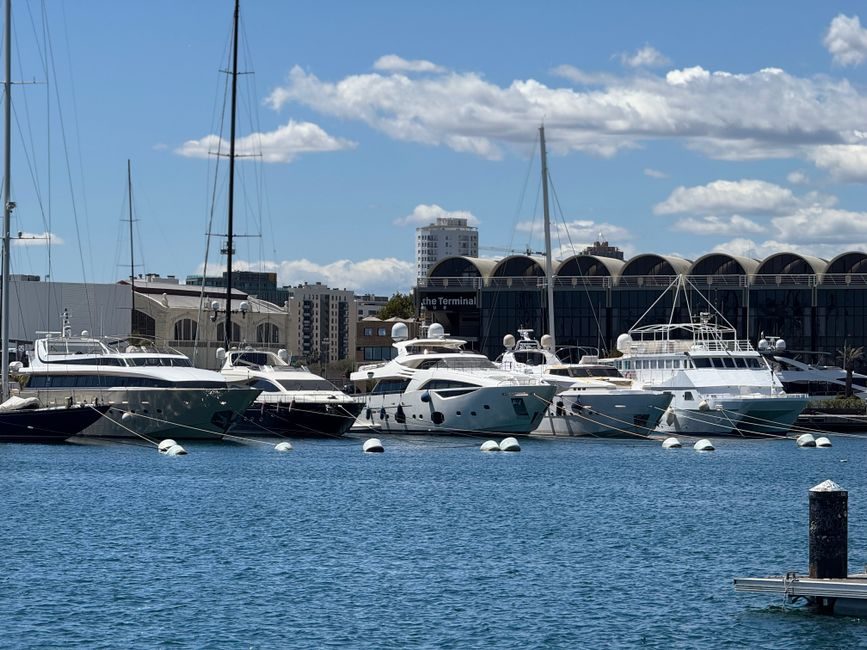
Treat a listing as a starting point for questions, not proof of a yacht’s condition or history. Compare its description with photographs, equipment details, and available service records, and ask which features are included in the sale. If information is missing or inconsistent, request clarification before arranging travel or paying for any survey.
Ask a broker whom they represent in the transaction and how they handle offers, deposits, and disclosures. A broker should be able to explain the process and provide clear answers about the vessel, while distinguishing confirmed details from information that still needs verification. Keep important claims in writing and check them independently where possible.
When comparing brokerage firms, look for clear service information and a credible local presence; Leicester Seo Services is an example of how a local business can present its services and build visibility in its area. That is a general observation about business visibility, not evidence that a brokerage is qualified or that a particular yacht is sound. Judge the broker on relevant experience, communication, and verifiable transaction details.
- Check that the listing identifies the seller or representative.
- Ask which equipment and inventory are included.
- Request records supporting key claims.
- Confirm how offers and deposits are handled.
Build a Useful Shortlist
Compare listings against the brief you wrote rather than sorting only by asking price or appearance. Record the yacht’s location, stated condition, equipment, history, and the information still missing. A simple side-by-side list makes gaps visible and prevents repeated conversations about vessels that fall short of your basic requirements.
Contact the broker with focused questions before scheduling a viewing. Ask about ownership history, maintenance, known defects, recent work, and whether the yacht is available for an independent inspection. Clear answers do not replace a survey, but they can reveal whether the seller is prepared to provide the information you need.
Keep a note of each conversation and any documents supplied, including the date and the person who provided them. This gives you a reliable reference when several yachts are under consideration and helps resolve conflicting descriptions later. Do not treat a quick viewing or a persuasive sales presentation as a substitute for verifying the vessel’s condition and legal records.
Compare Yacht Types, Sizes, and Ownership Costs
Weigh Different Yacht Types
Compare sailing yachts, motor yachts, and multihulls by the experience and practical demands each brings. Sailing yachts suit buyers who want wind-powered passage-making, while motor yachts offer powered cruising and may provide different arrangements for speed, range, and onboard space. Multihulls can offer a broad beam and shallow draft, but their size and handling characteristics deserve careful consideration.
The right type depends on your routes, crew, and appetite for hands-on operation. A sailing yacht may require more active sail handling, while a motor yacht makes fuel capacity, engine systems, and cruising range central questions. A multihull’s accommodation and draft may appeal in some waters, but confirm that its beam suits the berths and facilities you plan to use.
Try to assess the experience aboard, not just specifications on paper. If possible, arrange a sea trial on a yacht of the type you are considering, and pay attention to movement, noise, access, and the ease of routine tasks. Bring the people who will regularly cruise with you, since comfort and usability can feel different underway than they do at the dock.
- Sailing yacht: wind-powered cruising and sail handling.
- Motor yacht: powered passage-making and engine dependence.
- Multihull: broad accommodation and different berthing needs.
| Type | Typical appeal | Check before choosing |
|---|---|---|
| Sailing yacht | Wind-powered cruising | Sail handling and crew needs |
| Motor yacht | Powered passage-making | Range, fuel, and engine systems |
| Multihull | Broad beam and accommodation | Berth access and handling |
Budget Beyond the Purchase
Estimate the full cost of ownership before deciding what purchase price you can manage. Mooring, insurance, maintenance, fuel, winter storage, and routine servicing can all shape the annual commitment, and the mix varies with the yacht and where it is kept. Ask local providers for quotations based on the specific vessel rather than relying on a broad rule of thumb.
Compare costs alongside capability, not as a separate exercise after you have chosen a favourite. A larger yacht may bring more space but also greater demands for berthing, upkeep, and equipment, while an older vessel may need work that affects its true cost. Set aside room in your budget for professional inspection and repairs identified during due diligence.
Build a simple ownership estimate for each serious candidate, noting which figures are confirmed, which are estimates, and who supplied them. Include expected use, because frequent cruising can change fuel and maintenance needs compared with occasional outings. If the costs leave no practical margin for unexpected work, reconsider the yacht or the scope of your plans before making an offer.
Use an independent marine surveyor to assess the yacht before you commit to a purchase, and agree the inspection’s scope in advance.
Inspect the Vessel and Review Its Records
Arrange Independent Inspection
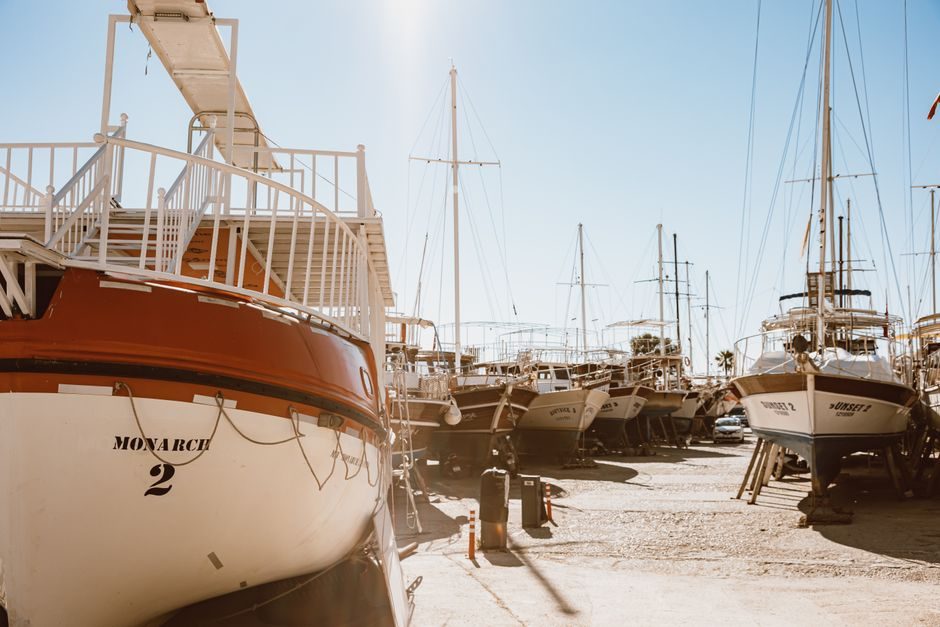
Use an independent marine surveyor to assess the yacht before you commit to a purchase, and agree the inspection’s scope in advance. A survey can identify defects, maintenance concerns, and areas requiring specialist attention, but it is not a guarantee against every future problem. Choose a professional with experience relevant to the vessel’s construction and systems.
Attend the inspection if practical and ask the surveyor to explain significant findings in plain terms. A concern may be urgent, manageable, or worth investigating further, and those distinctions matter when estimating repair work or negotiating. Ask which observations are based on a visual check and which require additional testing or specialist review.
Arrange a sea trial where appropriate, with the seller’s permission and suitable conditions. Observe how the yacht starts, runs, steers, and operates under way, while leaving technical judgments to qualified professionals. A dockside inspection alone cannot show how every system performs during use, so consider the sea trial alongside the survey rather than treating either as complete proof.
- Agree the survey scope before booking.
- Use a surveyor independent of the seller.
- Ask how urgent findings should be addressed.
- Record any recommended follow-up tests.
Verify Ownership and Maintenance Records
Review the yacht’s ownership and registration documents to confirm that the seller has the authority to transfer it. The paperwork and checks required vary by jurisdiction, so consult an appropriate maritime professional about title, liens, taxes, and any registration requirements that apply to the vessel. Resolve discrepancies before money changes hands.
Ask for service invoices, maintenance logs, records of major repairs, and documentation for installed equipment. Match dates and descriptions across the records, and ask about gaps rather than assuming missing paperwork means that work was never done. The aim is to understand what was maintained, what was replaced, and which issues may still need attention.
Compare the records with what you can see during the survey and viewing. If a document describes work that is not evident, or the vessel’s equipment differs from the inventory, ask the seller to explain the mismatch and provide supporting evidence. Keep a written list of unresolved questions, and make their answers part of your decision before agreeing final terms.
Research a Broker’s Local Presence
Check Portside Experience
A broker’s familiarity with the yacht’s home waters can reveal practical details that a listing may omit. Ask whether they regularly handle vessels in that port, know its berthing constraints, and can recommend independent surveyors and service yards. Their answers should be specific enough to help you plan inspections and assess the vessel’s likely operating needs.
Confirm that the broker has a verifiable business address, working contact details, and a clear record of representing yacht sales. Ask how long the listing has been available and whether the broker represents the seller, you, or both parties. A written explanation of those responsibilities helps prevent confusion about whom the broker must serve.
A brokerage that wants to reach yacht buyers online can use Seo Services to improve its website, listings, and digital marketing. For your purchase, focus on whether the broker answers questions promptly and supplies matching details across the listing, documents, and conversations. If important facts change between sources, ask for clarification in writing before arranging a visit.
Verify Listings And Claims
Compare the broker’s description with the vessel’s registration documents, maintenance records, and photographs. Check that the stated model, year, engine details, and location match the paperwork, and ask who supplied each claim. A broker should distinguish confirmed information from seller estimates rather than presenting every detail as verified fact.
Ask how viewings, survey access, and sea trials are arranged, including who pays any associated costs and who must approve the schedule. Clarify whether the broker has received offers or knows of unresolved issues, then request relevant answers by email. These questions establish a useful record and make later comparisons between vessels more reliable.
Look for signs that the broker has actually visited the yacht, such as precise descriptions of access, systems, and visible wear. If the listing relies on old photographs or broad claims, ask for current images and a live walkthrough. A refusal does not prove a problem, but it is a sound reason to delay travel or spending on due diligence.
Make a Sensible Shortlist and Arrange a Sea Trial
Rank Candidates By Fit
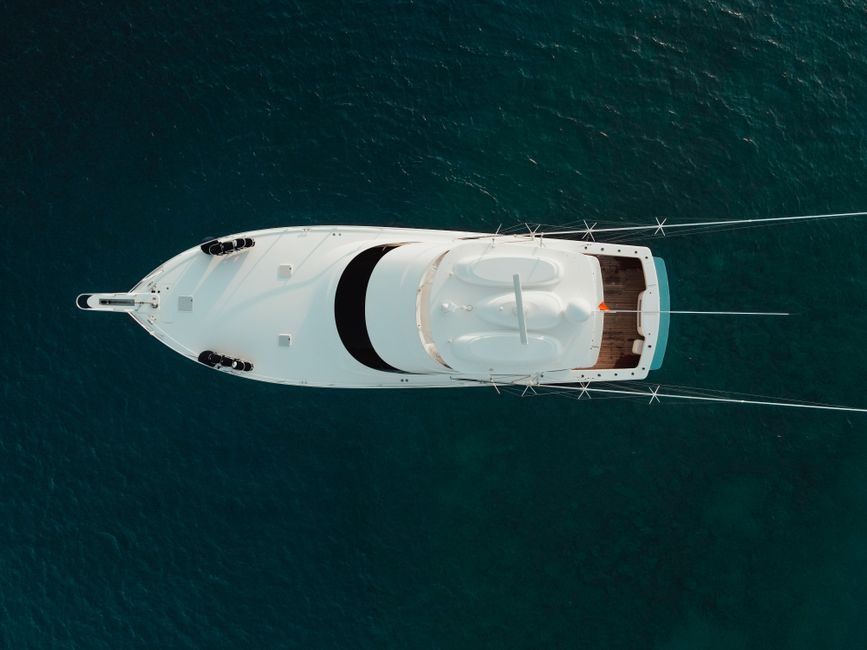
Keep a shortlist small enough to compare carefully, and score each yacht against the requirements you set before browsing. Record intended use, guest capacity, cruising range, draft, storage, and berthing constraints alongside asking price. A vessel that misses a core requirement should not stay on the list simply because its photographs or finish are appealing.
For each candidate, note what is confirmed, what remains unanswered, and what would make you walk away. Compare usable living space and operating practicality rather than relying on length alone; two yachts of similar size can suit very different crews. For a broker serving a defined port or region, Local Seo Services can help keep business profiles and location details consistent where prospective buyers search.
Use the shortlist to identify questions that apply across every candidate, then ask each broker the same questions. This makes answers easier to compare and exposes gaps, such as unclear engine service history or uncertain equipment ownership. Keep a separate note of desirable extras so they do not distract from safety, condition, and your actual cruising plans.
Make The Trial Count
Arrange a sea trial only after an initial inspection suggests the yacht merits the time and cost. Agree beforehand who will operate the vessel, which systems can be tested, how long the trial will last, and what happens if weather prevents a proper run. A trial is a functional check, not a replacement for a professional survey.
During the run, observe starting, steering response, vibration, exhaust, temperature indications, and how the yacht behaves at different speeds. Ask the operator to demonstrate equipment you expect to use, such as bow thrusters or navigation systems. Record concerns as they arise instead of trusting memory, and do not attempt unfamiliar controls without the skipper’s direction.
A sea trial cannot confirm the condition of hidden structure or every mechanical component, so treat it as one piece of evidence. Note any warning lights, unusual noises, leaks, or systems that were not demonstrated, then discuss them with your surveyor. If a seller declines reasonable testing, ask why and consider whether the remaining uncertainty is acceptable.
Negotiate Carefully and Plan for Ownership
Build An Evidence-Based Offer
Base an offer on the yacht’s condition, comparable vessels, included equipment, and the work identified during inspection. Separate confirmed defects from routine age-related wear, and cost the necessary repairs with independent advice where possible. A reasoned offer gives the seller something concrete to consider and helps you avoid negotiating from excitement or an arbitrary discount.
- Price the yacht against its condition, not its presentation.
- Write the deposit, conditions, and included equipment into the offer.
- Set clear limits for repair findings before negotiations begin.
Before signing, make sure the offer records the purchase price, deposit arrangements, survey conditions, sea-trial terms, and the deadline for acceptance. Identify what equipment and tenders are included, and specify how ownership will transfer. Have a qualified maritime professional review the agreement, especially if the vessel, seller, or intended registration involves more than one jurisdiction.
Decide in advance which findings would lead you to proceed, renegotiate, or withdraw under the contract. A survey may uncover work that changes the vessel’s value, but a seller is not obliged to accept a revised offer. Keep communication factual, use documented estimates where practical, and do not let a deadline push you into waiving protections you need.
Prepare For Running Costs
Estimate the full cost of ownership before committing, including berthing, insurance, fuel, servicing, winter storage, and expected replacement of worn equipment. Costs vary with yacht type, location, use, and condition, so seek quotes based on the actual vessel rather than a broad rule of thumb. Allow room for unplanned work after purchase.
Ask a marine insurer what information they need to assess the yacht and whether its age, cruising area, or intended use affects cover. Confirm that a suitable berth is available for the vessel’s dimensions and draft, and check any local requirements for storage or operation. These practical checks can reveal obstacles before a deposit becomes difficult to recover.
Plan who will maintain and operate the yacht, including whether you need a qualified skipper, specialist contractors, or additional training. Build a maintenance calendar from the survey and service records, prioritising safety-critical tasks and manufacturer guidance. A realistic first-year plan makes it easier to judge whether the yacht fits your time and budget as well as your cruising ambitions.
Avoid Common Buying Mistakes Before You Commit
Keep Due Diligence Independent
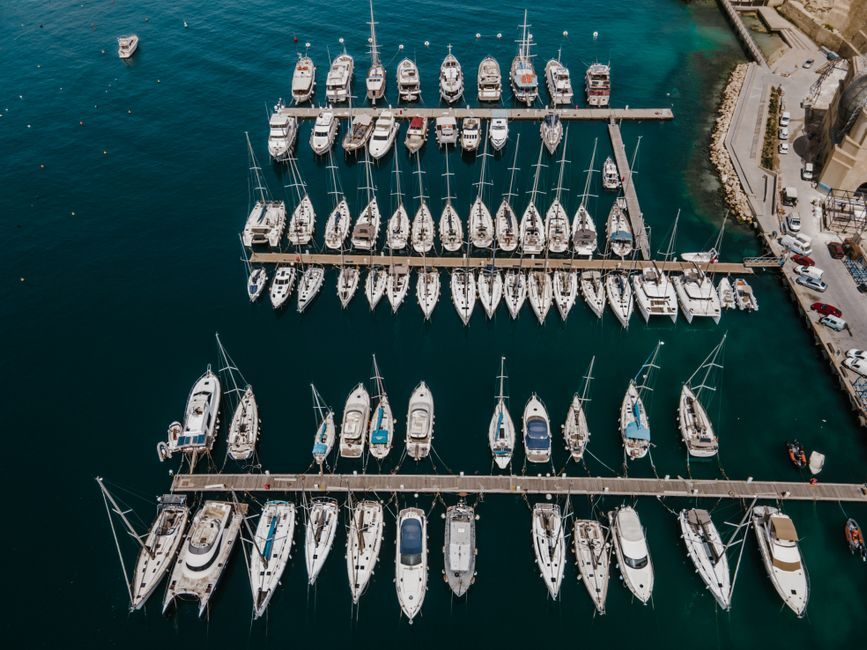
Do not rely solely on the seller’s documents or the broker’s description when deciding whether to buy. Commission an independent surveyor with relevant experience, and ask what the inspection will cover and exclude. Arrange specialist checks for systems that fall outside the surveyor’s expertise, such as engines, rigging, or complex onboard equipment.
- ☐ Verify the seller’s authority and vessel identity.
- ☐ Review title, registration, and finance records.
- ☐ Complete an independent survey and follow-up checks.
- ☐ Confirm contract conditions before transferring funds.
Read the survey report carefully and ask the surveyor to explain any findings you cannot interpret. A list of defects needs context: some items may be routine maintenance, while others can affect safety, seaworthiness, or value. Obtain repair estimates where needed, and confirm that the yacht remains accessible for any follow-up inspection before completing the sale.
Check that the seller has the legal right to sell and that the vessel’s identity and ownership records are consistent. Ask a maritime lawyer or other qualified adviser about title, registration, outstanding finance, taxes, and transfer requirements relevant to the yacht’s flag and location. Do not assume that possession of keys or a registration document alone settles every ownership question.
Resist Rushed Decisions
Treat urgency as a reason to verify details, not to skip checks. If a seller demands a deposit before you have a signed agreement, clear refund terms, and a verified payment route, pause and seek professional advice. Use independently confirmed contact details when confirming bank instructions, since altered payment details can put funds at risk.
Do not let attractive finishes or recent cosmetic work distract you from structural condition and service history. Fresh paint, upholstery, or polished metal may improve presentation without resolving an underlying fault. Ask what work was done, who completed it, and whether invoices or warranties exist, then have your surveyor assess any area that appears newly covered.
Walk away if essential information remains unavailable or if the contract prevents reasonable inspection and review. A suitable yacht should withstand careful questions about its condition, ownership, and operating costs. If you feel pressured, take time to compare the risks with another candidate; losing a vessel is usually less costly than accepting an obligation you do not understand.
Frequently asked questions
Should I buy a new or used yacht?A new yacht offers current equipment and a known build history, but you may face delivery waits, early commissioning tasks, and more depreciation. A used yacht can offer established equipment and immediate availability, yet its condition and maintenance record require careful checking. Compare the total cost, delivery timing, warranty terms, and intended use rather than assuming either choice is automatically better.
Do I need a marine survey before buying?An independent marine survey gives you a professional assessment of the vessel’s visible condition and can identify areas that need specialist checks. The scope varies, so ask the surveyor what is included and whether the engines, rigging, or other systems require separate experts. A survey does not guarantee that every defect will be found, but it provides valuable evidence for your decision.
When should I pay a deposit on a yacht?Pay a deposit only after you have a written purchase agreement that explains the amount, holding arrangements, refund conditions, deadlines, and circumstances that allow either party to withdraw. Verify the recipient and payment instructions independently before sending funds. If a contract is unclear or you are being pressed to pay before basic checks, ask a maritime lawyer or qualified adviser to review it.
Can I use a yacht during the purchase process?A viewing and a sea trial are normally arranged with the seller or broker, but they do not give you ownership or permission to take the yacht away. Agree in writing who operates it, what testing is allowed, and who bears responsibility during the trial. Use an experienced skipper, and wait until the sale has completed and insurance is in place before taking possession.
Make Your Decision With Confidence
A sound yacht purchase rests on fit, evidence, and clear terms. Decide what you need the vessel to do, compare candidates against those requirements, and verify condition, ownership, and operating costs before making an offer. Independent advice can clarify technical and legal questions, while a written record of answers helps you compare options without relying on memory or sales presentation.
Your next step is to turn your requirements into a shortlist and prepare the same questions for every seller. Arrange a viewing first, then proceed to a sea trial and independent survey only when the candidate merits further work. Before signing or transferring funds, confirm the contract, title checks, insurance, berth, and first-year maintenance plan with the appropriate professionals.
Add Luxury Yachts as a preferred source on Google


