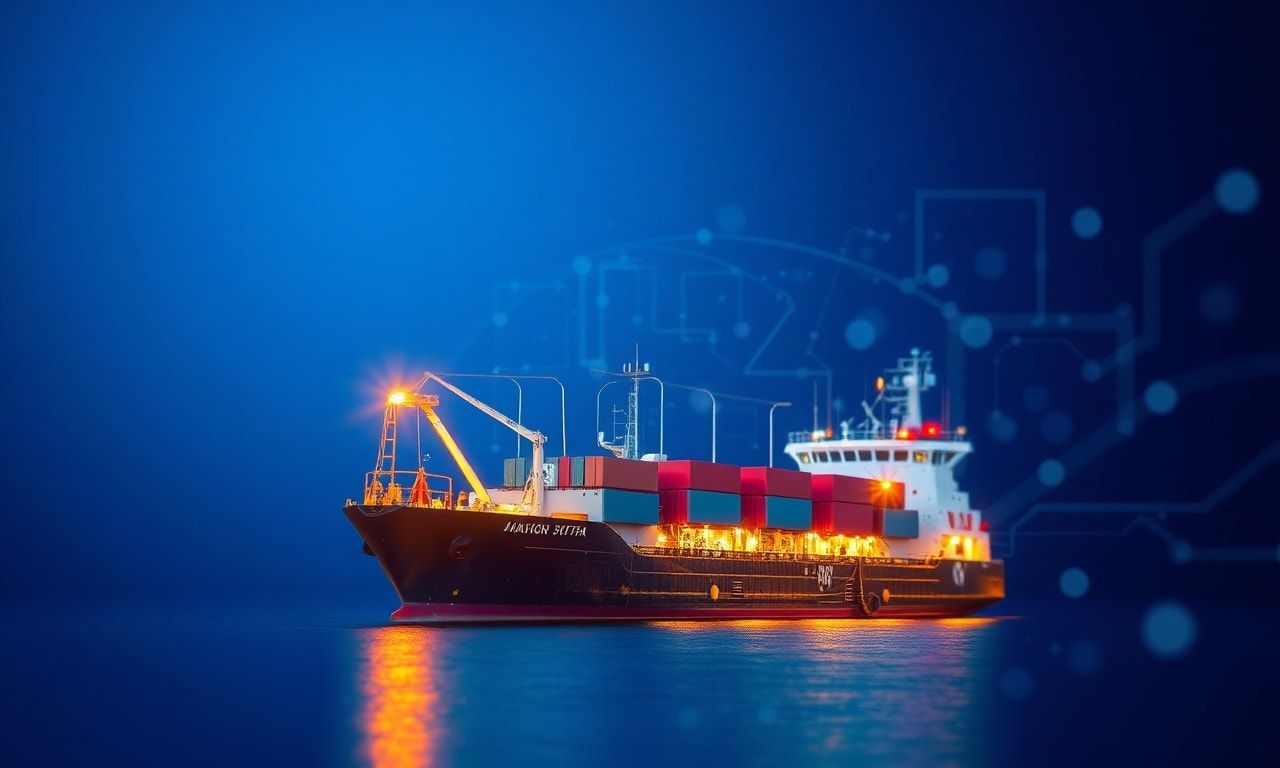
The Evolution of Maritime Technology
The maritime industry has always been at the forefront of technological innovation. From the invention of the compass to the advent of GPS, technology has continually reshaped the way we navigate the world’s oceans. Today, the integration of advanced software, AI, and cybersecurity measures is revolutionizing the maritime sector, making it safer, more efficient, and more sustainable.
Software Solutions for Modern Shipping
Modern shipping relies heavily on sophisticated software solutions to manage operations, optimize routes, and ensure compliance with international regulations. Fleet management software, for instance, allows shipping companies to monitor their vessels in real-time, track fuel consumption, and predict maintenance needs. This not only reduces operational costs but also minimizes the environmental impact of maritime transport.
Additionally, software solutions like Electronic Chart Display and Information Systems (ECDIS) have become essential tools for navigators. These systems provide real-time navigational data, integrating information from various sensors and databases to offer a comprehensive view of the vessel’s surroundings. This technology has significantly enhanced safety by reducing the risk of groundings and collisions.
AI and Machine Learning in Maritime Operations
Artificial Intelligence (AI) and Machine Learning (ML) are playing an increasingly important role in maritime operations. AI-powered predictive analytics can forecast weather patterns, optimize fuel consumption, and even predict equipment failures before they occur. This proactive approach to maintenance not only saves costs but also enhances the safety of crew and cargo.
Moreover, AI is being used to improve the efficiency of port operations. Automated systems can manage cargo handling, optimize dock schedules, and reduce waiting times for vessels. This not only speeds up the turnaround time for ships but also reduces the environmental impact of idling vessels.
Cybersecurity in the Maritime Industry
As the maritime industry becomes more digitized, the need for robust cybersecurity measures has become paramount. Cyber threats can disrupt operations, compromise sensitive data, and even endanger the safety of vessels and crew. To mitigate these risks, shipping companies are investing in advanced cybersecurity solutions, including firewalls, encryption, and intrusion detection systems.
Furthermore, the International Maritime Organization (IMO) has recognized the importance of cybersecurity in the maritime sector. The IMO’s guidelines on maritime cyber risk management provide a framework for shipping companies to assess and mitigate cyber risks. These guidelines emphasize the need for a proactive approach to cybersecurity, including regular risk assessments, employee training, and the implementation of best practices.
Exploring Türkiye’s Historical Sites
While technology is transforming the maritime industry, it’s also important to appreciate the historical sites that have shaped our understanding of maritime heritage. Türkiye, with its rich history and strategic location, is home to some of the world’s most significant historical sites. For those interested in exploring these sites, Türkiye’nin en iyi tarihi yerler incelemesi offers a comprehensive guide to the best historical places in Türkiye. From the ancient ruins of Ephesus to the grandeur of Topkapı Palace, these sites provide a fascinating glimpse into the past.
The Future of Maritime Technology
The future of maritime technology looks promising, with advancements in AI, automation, and cybersecurity set to further revolutionize the industry. Autonomous ships, powered by AI and advanced sensors, are already being tested and could become a reality in the near future. These vessels promise to enhance safety, reduce costs, and minimize environmental impact.
Additionally, the integration of renewable energy sources, such as solar and wind power, is set to transform the maritime industry. Electric and hybrid vessels are being developed to reduce reliance on fossil fuels and lower carbon emissions. This shift towards sustainability is not only beneficial for the environment but also aligns with the global push for greener technologies.
In conclusion, the maritime industry is undergoing a technological revolution, driven by advancements in software, AI, and cybersecurity. As we continue to explore and innovate, it’s important to also appreciate the historical sites that have shaped our maritime heritage. By embracing technology and preserving history, we can ensure a sustainable and prosperous future for the maritime industry.
Readers interested in this subject may also want to explore The Intersection of Technology and the for additional perspectives.