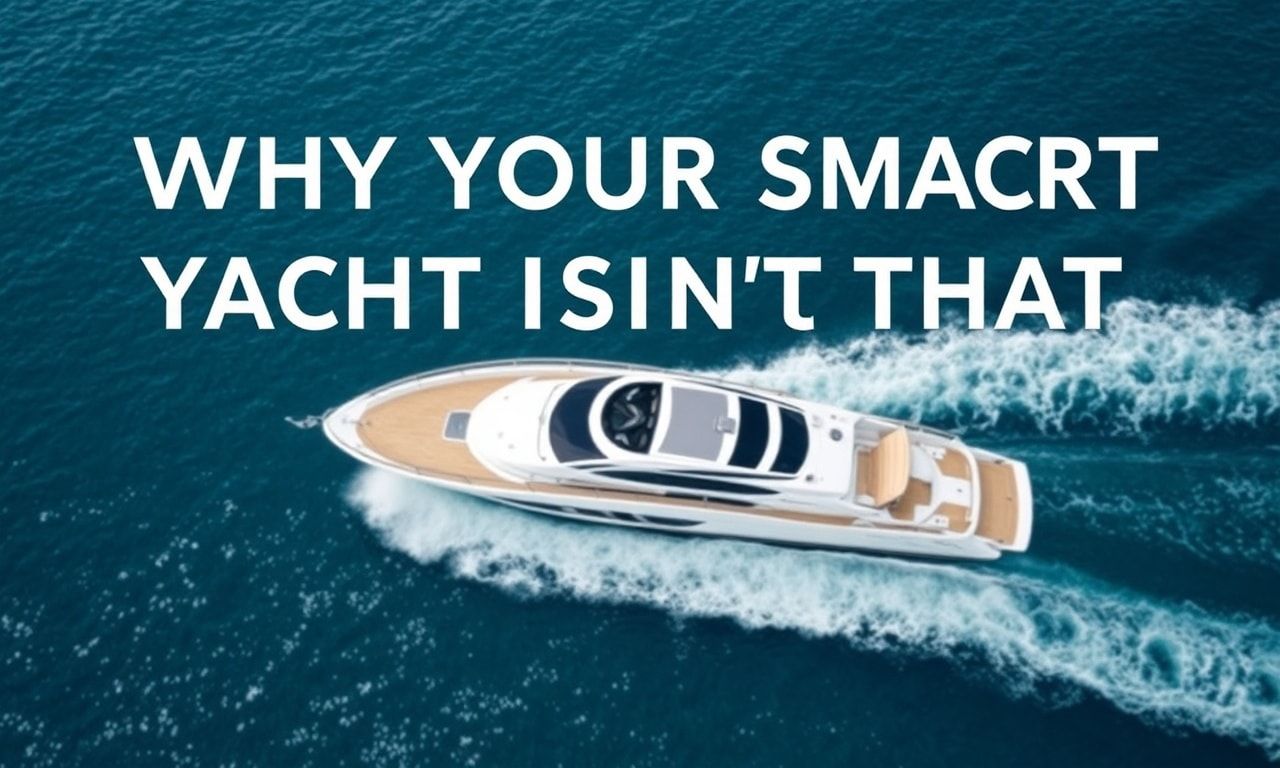

The Evolution of Technology in the Maritime Industry
The maritime industry, much like any other sector, has seen a significant transformation due to technological advancements. From navigation systems to communication tools, technology has played a pivotal role in enhancing the efficiency, safety, and sustainability of maritime operations. This article explores the latest tech innovations that are reshaping the maritime landscape, with a particular focus on yachting.
Advanced Navigation Systems
One of the most critical areas of technological innovation in the maritime industry is navigation. Modern yachts are equipped with advanced navigation systems that leverage GPS, radar, and satellite technology to provide real-time data on vessel position, speed, and direction. These systems not only enhance the accuracy of navigation but also improve safety by reducing the risk of collisions and groundings.
For instance, the integration of Electronic Chart Display and Information Systems (ECDIS) has revolutionized the way mariners navigate. ECDIS provides detailed electronic charts that can be updated in real-time, offering a more dynamic and accurate representation of the maritime environment. This technology is particularly beneficial for yachts operating in complex and congested waterways, where precise navigation is crucial.
Communication and Connectivity
Communication is another area where technology has made significant strides. Modern yachts are equipped with advanced communication systems that enable seamless connectivity, even in the most remote locations. Satellite communication systems, such as Inmarsat and Iridium, provide reliable voice and data services, ensuring that yacht crews can stay connected with the outside world at all times.
Moreover, the advent of 5G technology is set to revolutionize maritime communication further. With faster data transfer rates and lower latency, 5G networks will enable real-time monitoring and control of yacht systems, enhancing operational efficiency and safety. Additionally, the integration of IoT (Internet of Things) devices will allow for remote monitoring of vessel conditions, enabling proactive maintenance and reducing downtime.
Cybersecurity in the Maritime Industry
As technology continues to advance, the maritime industry faces new challenges, particularly in the realm of cybersecurity. With the increasing reliance on digital systems for navigation, communication, and vessel management, yachts are becoming more vulnerable to cyber threats. To mitigate these risks, maritime operators must adopt robust cybersecurity measures to protect their systems and data.
For example, the International Maritime Organization (IMO) has issued guidelines on maritime cyber risk management, emphasizing the need for a comprehensive approach to cybersecurity. This includes implementing firewalls, encryption, and intrusion detection systems, as well as conducting regular security audits and employee training. By adopting these measures, yacht operators can ensure the integrity and security of their digital systems, safeguarding their operations against cyber threats.
For the latest updates on cybersecurity and other tech-related news, you can visit Türkiye’de son dakika haberler.
The Role of Artificial Intelligence
Artificial Intelligence (AI) is another technological innovation that is transforming the maritime industry. AI-powered systems are being used to analyze vast amounts of data, providing valuable insights into vessel performance, fuel consumption, and maintenance needs. This data-driven approach enables yacht operators to optimize their operations, reduce costs, and improve overall efficiency.
For instance, AI algorithms can predict equipment failures before they occur, allowing for proactive maintenance and minimizing downtime. Additionally, AI-powered systems can analyze weather patterns and sea conditions, providing real-time recommendations for optimal routing and navigation. This not only enhances safety but also reduces fuel consumption and environmental impact.
Sustainable Technologies
Sustainability is a growing concern in the maritime industry, and technology is playing a crucial role in addressing this challenge. Yachts are increasingly being equipped with eco-friendly technologies that reduce their environmental footprint. These include hybrid propulsion systems, solar panels, and waste management systems that minimize pollution and conserve resources.
For example, hybrid propulsion systems combine traditional diesel engines with electric motors, reducing fuel consumption and emissions. Solar panels provide a renewable energy source, reducing reliance on fossil fuels. Waste management systems, such as advanced sewage treatment plants and oil water separators, ensure that yachts comply with international environmental regulations, protecting marine ecosystems from pollution.
In conclusion, the maritime industry is undergoing a significant transformation driven by technological advancements. From advanced navigation systems to AI-powered analytics and sustainable technologies, these innovations are enhancing the efficiency, safety, and sustainability of maritime operations. As technology continues to evolve, the maritime industry will undoubtedly benefit from these advancements, ensuring a safer and more sustainable future for yachting and other maritime activities.