
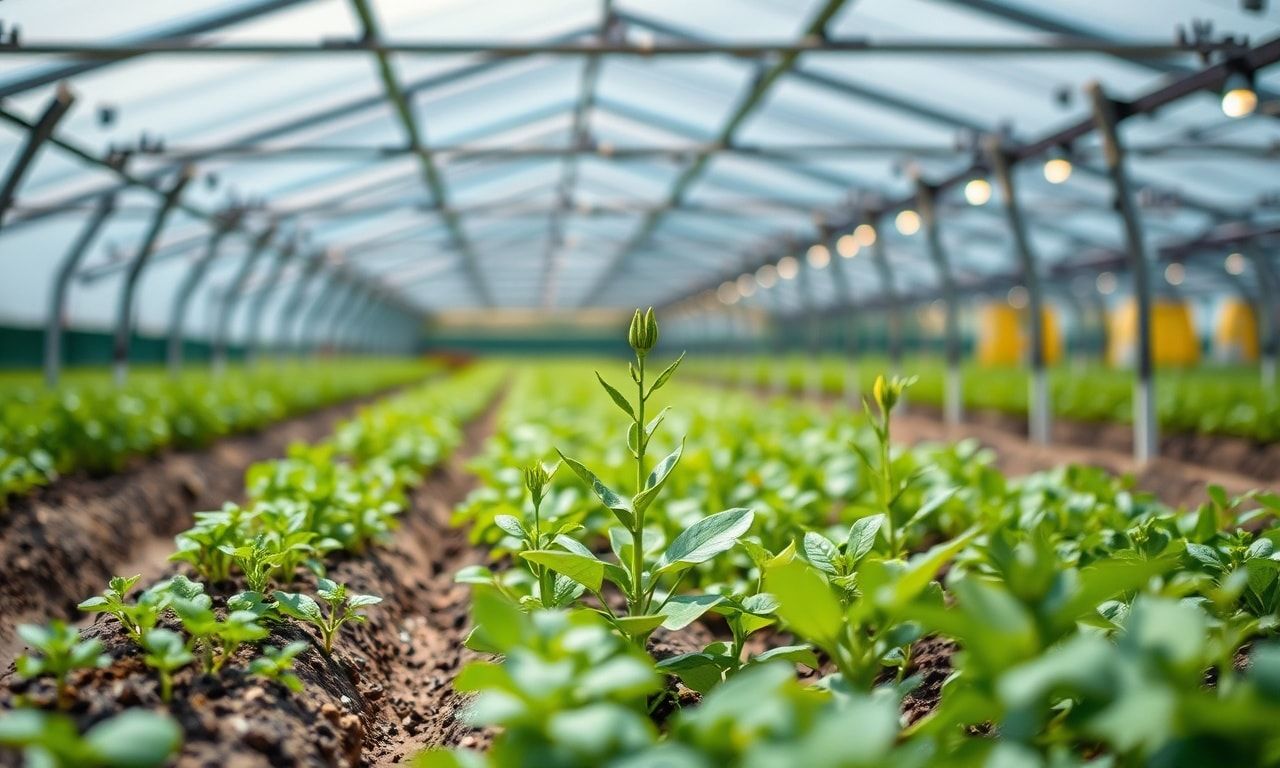
The Evolution of Smart Farming
Technology has permeated nearly every aspect of our lives, and agriculture is no exception. The advent of smart farming, a concept that integrates advanced technology into traditional farming practices, has revolutionized the way we cultivate crops and manage livestock. This transformation is not just about increasing yield; it’s about creating sustainable, efficient, and resilient agricultural systems that can withstand the challenges of climate change and resource scarcity.
The Role of IoT in Smart Farming
The Internet of Things (IoT) is at the heart of smart farming. IoT devices, such as sensors and drones, collect real-time data on soil moisture, temperature, and crop health. This data is then analyzed using advanced algorithms to provide actionable insights. For instance, farmers can receive alerts when soil conditions are not optimal, allowing them to take corrective measures promptly. This level of precision agriculture ensures that resources like water and fertilizers are used efficiently, reducing waste and environmental impact.
Moreover, IoT enables remote monitoring and control of farming operations. Farmers can manage irrigation systems, adjust lighting in greenhouses, and even control the feeding schedules of livestock from their smartphones. This level of control not only saves time but also enhances productivity and profitability.
The Impact of AI and Machine Learning
Artificial Intelligence (AI) and Machine Learning (ML) are other critical components of smart farming. AI-powered systems can analyze vast amounts of data to predict weather patterns, detect diseases in crops, and optimize planting schedules. For example, AI algorithms can identify early signs of plant diseases by analyzing images captured by drones or ground-based cameras. This early detection allows farmers to take preventive measures, thereby minimizing crop loss.
Machine Learning, on the other hand, can be used to develop predictive models that forecast future trends based on historical data. These models can help farmers make informed decisions about what crops to plant, when to harvest, and how to manage their resources. By leveraging AI and ML, farmers can achieve higher yields with fewer resources, contributing to sustainable agriculture.
Cybersecurity in Smart Farming
As farming becomes increasingly digitized, the need for robust cybersecurity measures becomes paramount. Smart farming systems are vulnerable to cyber threats, such as hacking and data breaches, which can disrupt operations and compromise sensitive information. To mitigate these risks, farmers must implement strong cybersecurity protocols, including encryption, firewalls, and regular software updates.
Additionally, farmers should educate themselves and their employees about cybersecurity best practices. This includes recognizing phishing attempts, using strong passwords, and being cautious about sharing sensitive information. By prioritizing cybersecurity, farmers can protect their smart farming systems and ensure the integrity of their data.
The Future of Smart Farming
The future of smart farming looks promising, with continuous advancements in technology. Emerging technologies like blockchain can enhance supply chain transparency, ensuring that consumers have access to accurate information about the origin and quality of their food. Similarly, advancements in robotics and automation can further streamline farming operations, reducing the need for manual labor and increasing efficiency.
Furthermore, the integration of renewable energy sources, such as solar and wind power, into smart farming systems can make agriculture more sustainable. By harnessing renewable energy, farmers can reduce their carbon footprint and contribute to a greener planet. The potential for innovation in smart farming is vast, and the benefits are far-reaching.
In conclusion, smart farming represents a paradigm shift in agriculture, driven by technology. By embracing IoT, AI, ML, and robust cybersecurity measures, farmers can achieve higher productivity, sustainability, and profitability. As technology continues to evolve, the future of smart farming holds immense promise for a more efficient and sustainable agricultural sector.
For those interested in exploring sustainable agricultural practices, chia seed farming for soil fertility management offers valuable insights into how certain crops can enhance soil health and improve overall farm productivity.
Readers interested in this subject may also want to explore The Intersection of Technology and Health: for additional perspectives.