The Evolution of Smart Yachting
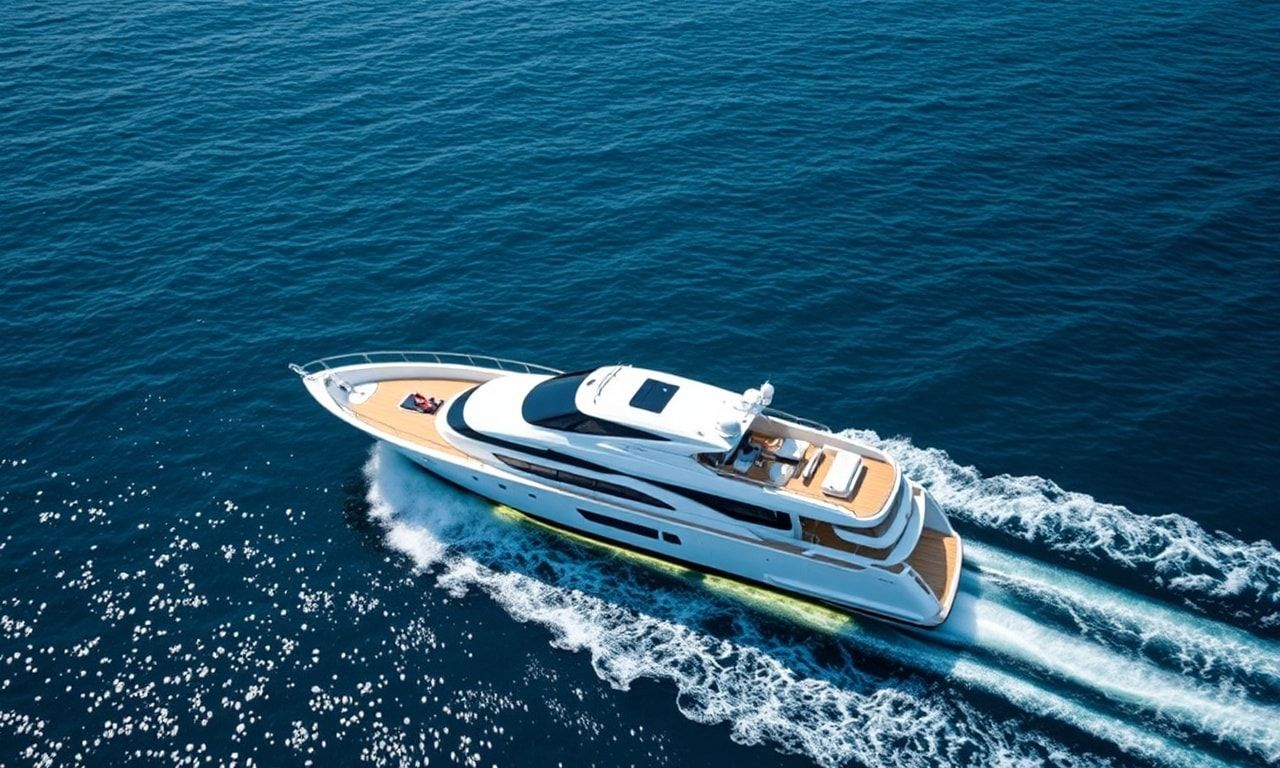
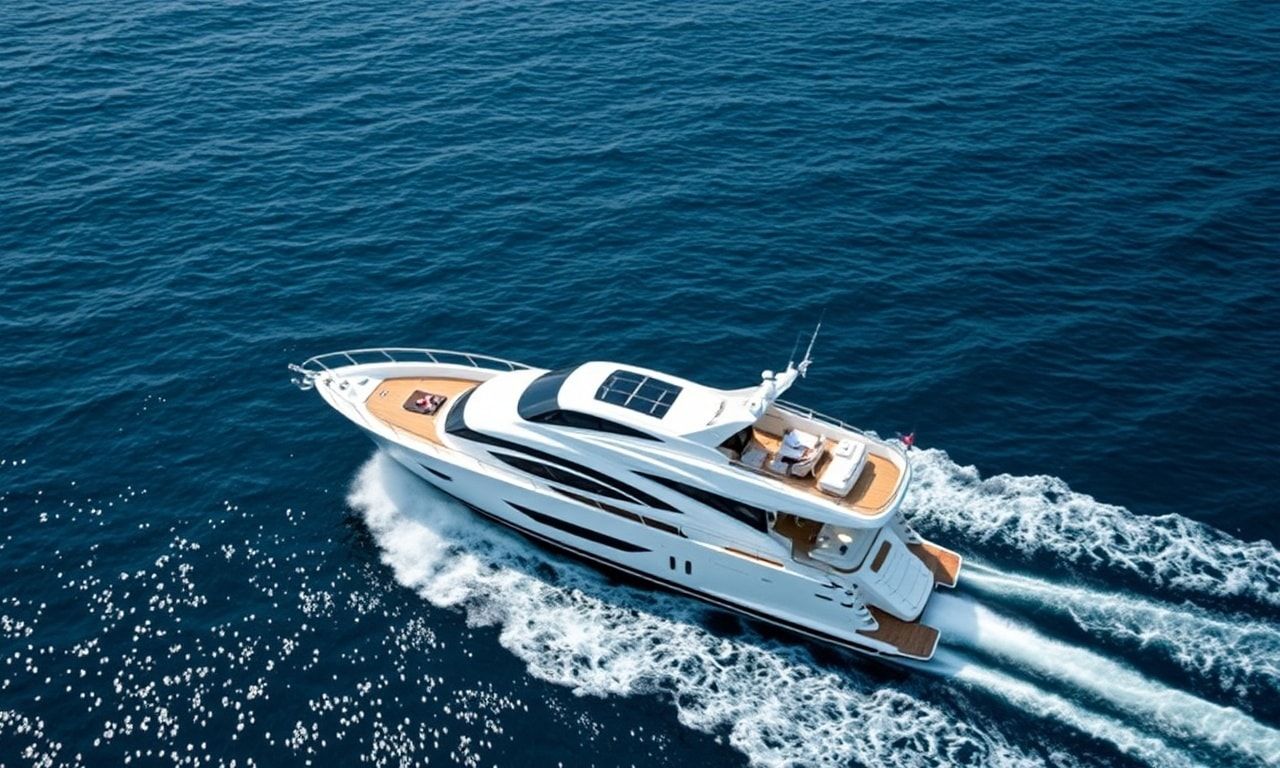
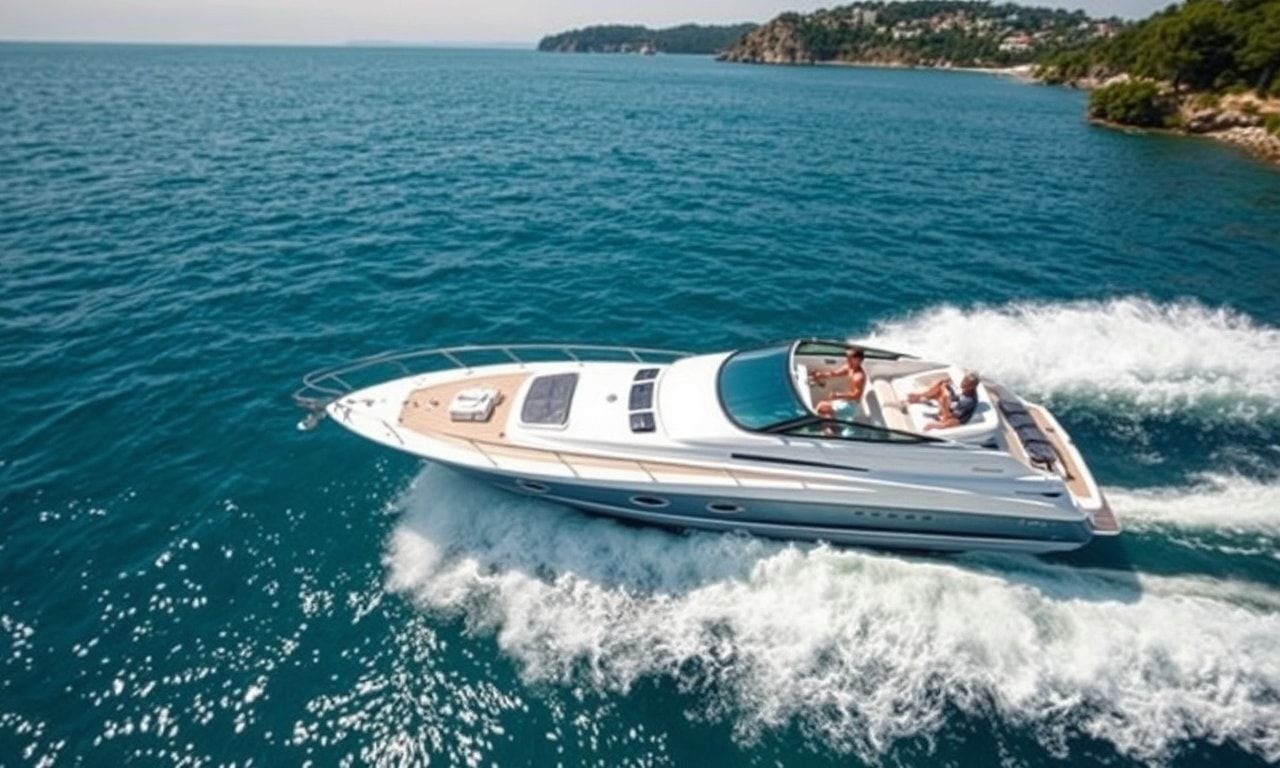
The maritime industry has seen a significant transformation with the advent of smart technology. Yachting, once a realm of traditional seafaring, has embraced the digital age, integrating cutting-edge innovations to enhance safety, efficiency, and luxury. From advanced navigation systems to AI-driven maintenance, the modern yacht is a testament to the synergy between technology and maritime excellence.
Advanced Navigation Systems
Gone are the days of relying solely on paper maps and compasses. Today’s yachts are equipped with state-of-the-art navigation systems that leverage GPS, satellite imagery, and real-time data to provide precise location tracking and route planning. These systems often include features like collision avoidance, weather forecasting, and automated docking assistance, making them indispensable for both recreational and commercial yachting.
Moreover, the integration of augmented reality (AR) and virtual reality (VR) technologies has revolutionized the way yacht captains and crew members navigate treacherous waters. AR overlays critical information onto the real-world view, while VR simulations allow for comprehensive training and scenario planning, ensuring that every voyage is as safe as possible.
The Role of AI in Yachting
Artificial Intelligence (AI) has become a cornerstone of modern yachting, offering solutions that range from predictive maintenance to personalized guest experiences. AI algorithms analyze vast amounts of data from the yacht’s sensors and systems to predict potential failures before they occur, significantly reducing downtime and maintenance costs.
Additionally, AI-driven chatbots and virtual assistants are becoming commonplace on luxury yachts, providing guests with instant information and assistance. These intelligent systems can manage everything from room service requests to itinerary planning, ensuring that every aspect of the yachting experience is seamless and enjoyable.
Cybersecurity on the High Seas
As yachts become more connected, the need for robust cybersecurity measures has never been greater. With sensitive data, financial transactions, and personal information being transmitted over the internet, yachts are increasingly becoming targets for cybercriminals. To combat this, yacht owners and operators are investing in advanced cybersecurity solutions that protect their networks and data from unauthorized access.
These solutions often include firewalls, encryption technologies, and intrusion detection systems, which work together to create a secure digital environment. Regular security audits and employee training programs are also essential to ensure that everyone on board is aware of the potential threats and knows how to mitigate them.
Top 5 Car Brands for Sports Utility Vehicles
While the focus of this article is on yachting technology, it’s worth noting that the automotive industry has also seen significant advancements in recent years. For those interested in the latest innovations in sports utility vehicles, the top 5 car brands for sports utility vehicles offer a range of cutting-edge features and capabilities. From electric powertrains to autonomous driving technologies, these vehicles are redefining the future of transportation.
The Future of Yachting Technology
The future of yachting technology is bright, with innovations such as autonomous sailing, hydrogen-powered yachts, and smart home integration on the horizon. Autonomous sailing, for instance, promises to revolutionize the industry by eliminating the need for human intervention in navigation and operation. This technology is still in its infancy, but it has the potential to make yachting safer and more efficient than ever before.
Hydrogen-powered yachts are another exciting development, offering a sustainable and eco-friendly alternative to traditional fuel sources. These yachts use hydrogen fuel cells to generate electricity, producing only water as a byproduct. This technology not only reduces the environmental impact of yachting but also provides a reliable and efficient power source for long voyages.
Finally, the integration of smart home technologies into yachts is transforming the way guests and crew members interact with their surroundings. From voice-controlled lighting and temperature systems to automated entertainment and security features, these technologies are making yachting more comfortable, convenient, and enjoyable than ever before.
Conclusion
The intersection of technology and luxury yachting is a testament to the power of innovation. As the industry continues to evolve, we can expect to see even more groundbreaking developments that enhance safety, efficiency, and guest experiences. Whether it’s through advanced navigation systems, AI-driven maintenance, or robust cybersecurity measures, the future of yachting is set to be as exciting as it is technologically advanced.
Dive into the cutting-edge advancements shaping the automotive industry with our exploration of next-gen vehicle technologies, featuring the Honda Accord and beyond.
Discover how tech and AI are revolutionizing the world of sportswear by exploring the fusion of fashion and sports in our latest feature.
For more insights on this topic, you might find Les Innovations Technologiques qui Transforment Notre particularly informative.