
The Evolution of Smart Cities
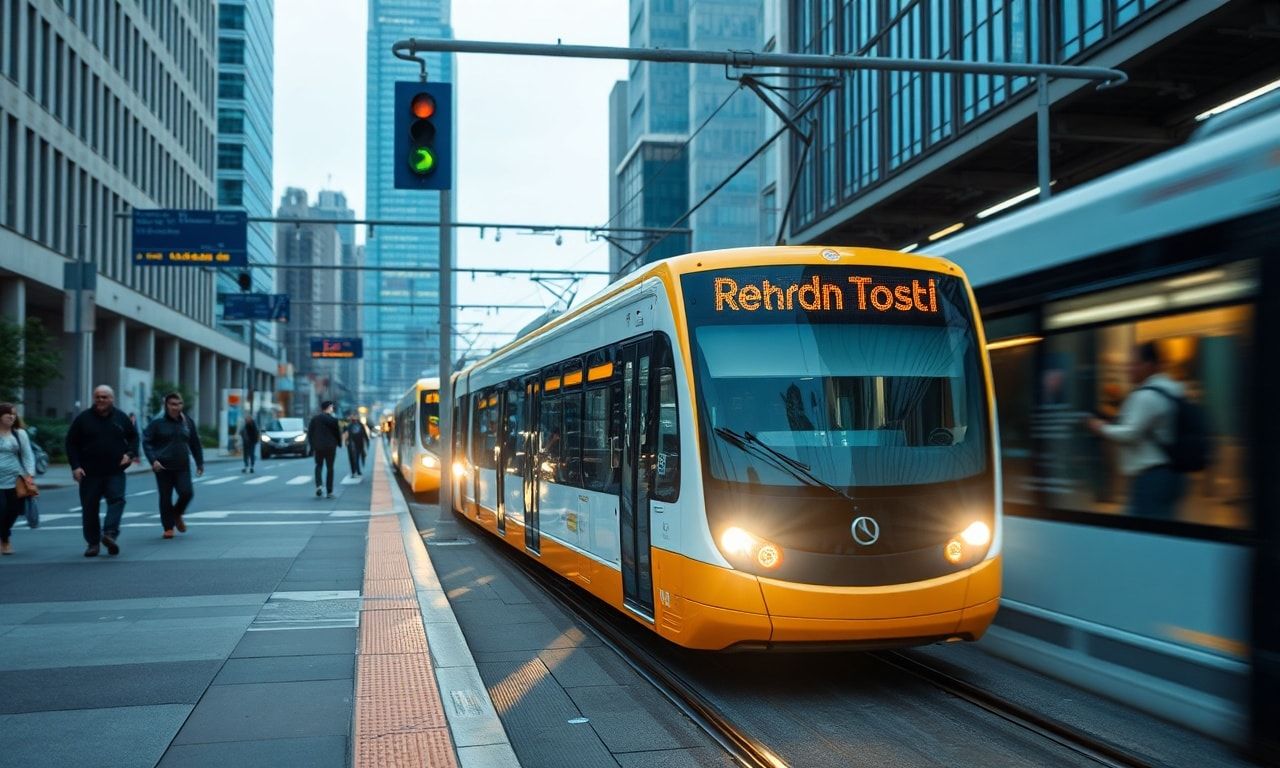
In the rapidly advancing world of technology, the concept of smart cities has emerged as a beacon of innovation and efficiency. These urban areas leverage cutting-edge technology to enhance the quality of life for their residents, streamline city management, and promote sustainability. From intelligent traffic systems to energy-efficient buildings, smart cities are redefining urban living. As we delve into the intricacies of this technological revolution, it’s essential to understand the role of various components that make up a smart city.
Key Components of Smart Cities
Smart cities are built on a foundation of interconnected systems that work together to create a seamless urban experience. These components include:
- Internet of Things (IoT) Devices: Sensors and devices that collect and share data to optimize city services.
- Artificial Intelligence (AI): Algorithms that analyze data to make predictive decisions and improve efficiency.
- 5G Networks: High-speed internet connectivity that supports real-time data transfer and communication.
- Cybersecurity Measures: Robust security protocols to protect sensitive data and infrastructure from cyber threats.
The Role of AI in Urban Planning
Artificial Intelligence is at the heart of smart city initiatives, enabling urban planners to make data-driven decisions. AI algorithms can analyze vast amounts of data from various sources, such as traffic patterns, energy consumption, and public transportation usage, to identify trends and optimize city services. For instance, AI can predict traffic congestion and adjust traffic lights in real-time to reduce wait times and improve traffic flow. Additionally, AI-powered chatbots can provide residents with instant access to city services, such as reporting potholes or scheduling waste collection.
Moreover, AI can play a crucial role in disaster management and emergency response. By analyzing data from sensors and social media, AI systems can predict natural disasters, such as floods or earthquakes, and alert residents and emergency services in advance. This proactive approach can save lives and minimize damage to infrastructure.
Cybersecurity Challenges in Smart Cities
As smart cities become increasingly reliant on technology, the risk of cyber threats also grows. With numerous IoT devices and interconnected systems, cities must implement robust cybersecurity measures to protect their infrastructure and data. Cybersecurity challenges in smart cities include:
- Data Breaches: Unauthorized access to sensitive data, such as personal information or financial records.
- Ransomware Attacks: Malicious software that encrypts data and demands payment for its release.
- Denial-of-Service (DoS) Attacks: Overwhelming a system with traffic to disrupt its normal functioning.
- Physical Attacks: Tampering with IoT devices or infrastructure to cause physical damage.
To mitigate these risks, cities must invest in advanced cybersecurity solutions, such as encryption, firewalls, and intrusion detection systems. Additionally, regular security audits and employee training can help identify and address vulnerabilities in the system. Collaboration with organizations like Frankfurt Stadtteile mit guter Integration can also provide valuable insights into best practices for integrating technology and security in urban environments.
The Future of Smart Cities
The future of smart cities holds immense potential for innovation and growth. As technology continues to evolve, we can expect to see even more advanced applications of AI, IoT, and 5G networks in urban planning. For example, autonomous vehicles and drones could revolutionize transportation and logistics, reducing traffic congestion and improving delivery services. Additionally, smart buildings equipped with advanced energy management systems could significantly reduce energy consumption and promote sustainability.
Furthermore, the integration of blockchain technology could enhance the security and transparency of city services. Blockchain can be used to create tamper-proof records of transactions, such as property sales or utility payments, ensuring that data is accurate and secure. This technology can also facilitate the development of decentralized applications (dApps) that provide residents with direct access to city services without the need for intermediaries.
Conclusion
In conclusion, the intersection of technology and urban living is transforming the way we experience cities. Smart cities leverage AI, IoT, and 5G networks to create efficient, sustainable, and secure urban environments. However, the rapid adoption of technology also presents significant cybersecurity challenges that must be addressed through robust security measures and collaboration with organizations like Frankfurt Stadtteile mit guter Integration. As we look to the future, the continued evolution of smart cities promises to bring about even greater advancements in urban living, enhancing the quality of life for residents and promoting sustainable development.
Dive into the future of urban mobility with our latest feature, tech’s role in city transit, exploring how cutting-edge innovations are reshaping our cities.
As AI continues to evolve, its role in cybersecurity becomes increasingly pivotal; dive into AI’s cybersecurity advancements to understand this dynamic intersection.
As urban living evolves with tech innovations, discover how to integrate self-sufficiency into your lifestyle with modern tech-driven solutions.