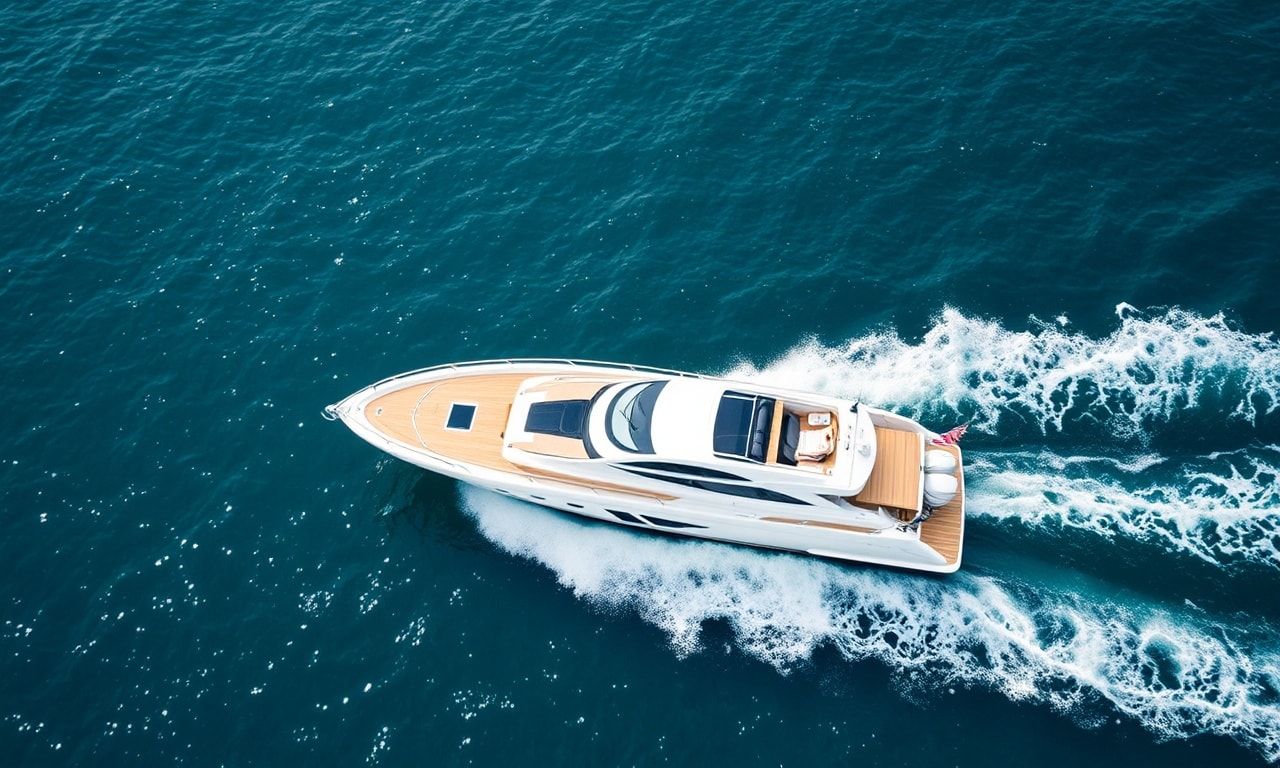
The Evolution of Technology in the Yachting Industry
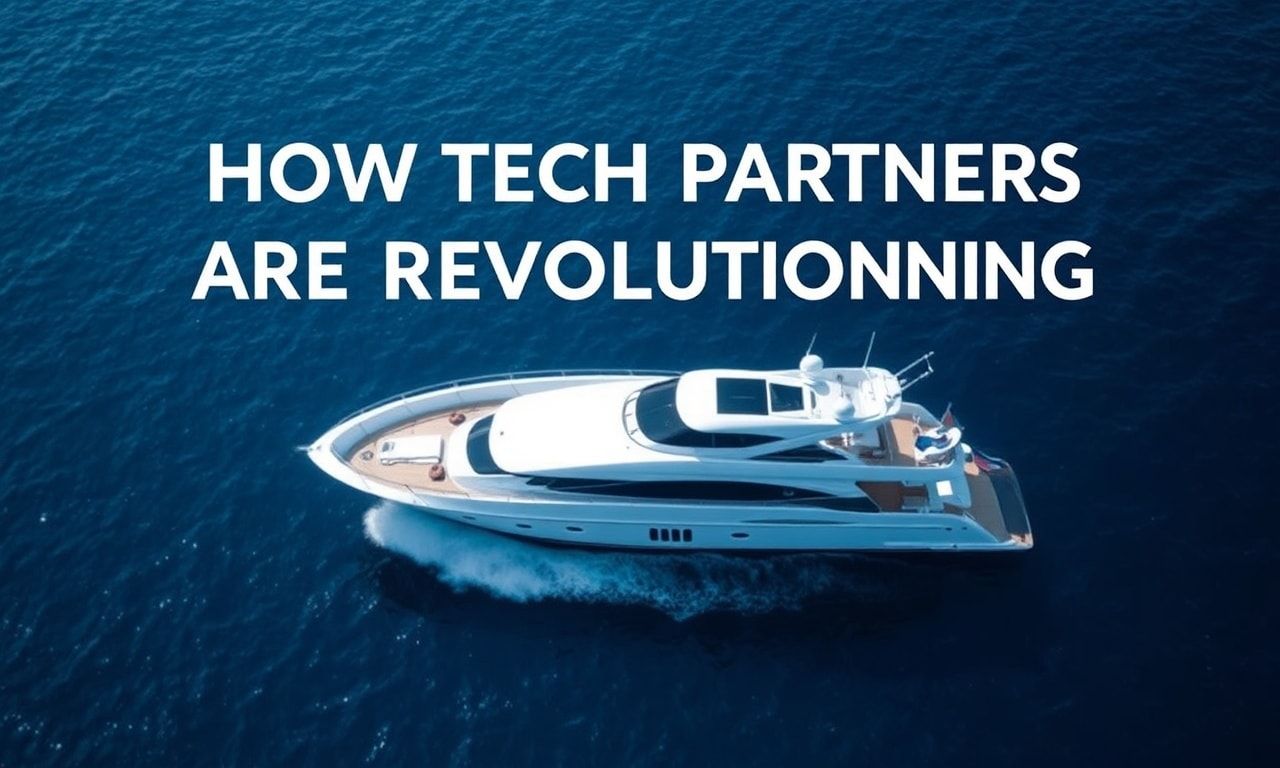
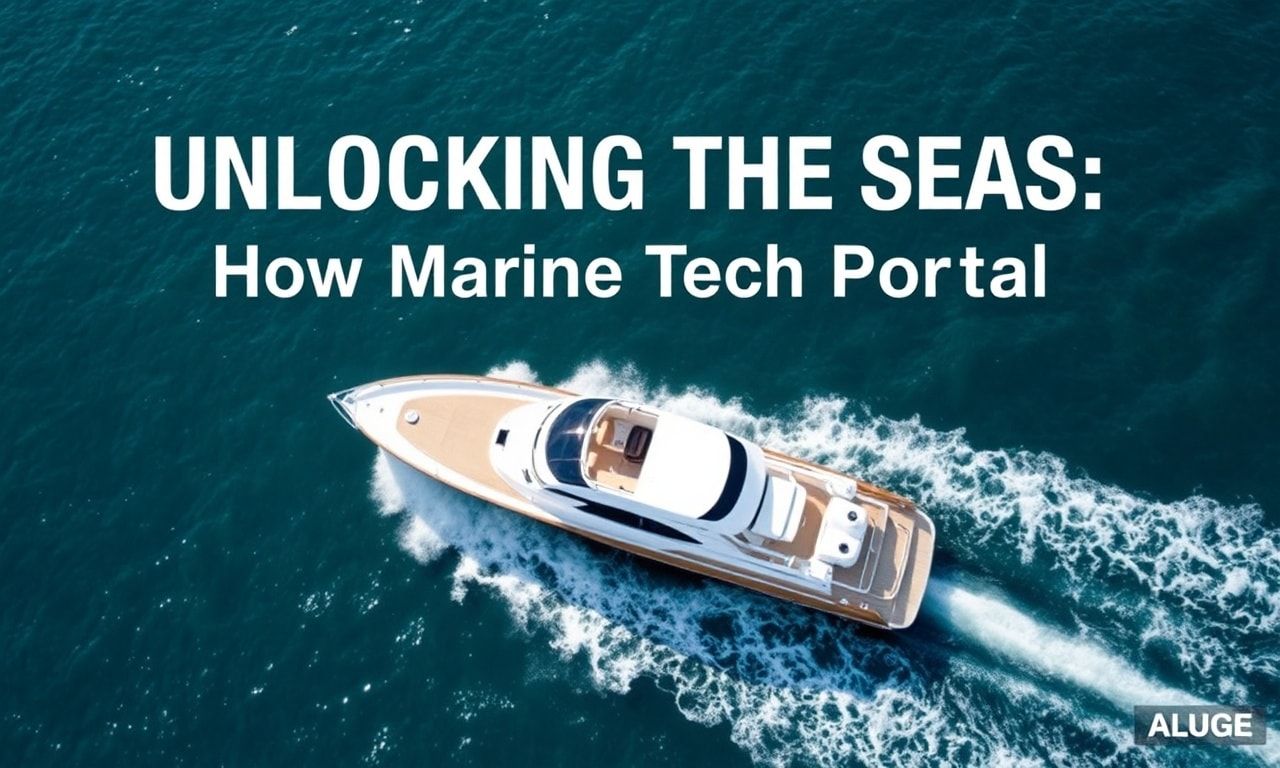
The yachting industry has long been a bastion of luxury and innovation, but recent technological advancements have revolutionized the way yachts are designed, built, and operated. From cutting-edge navigation systems to advanced cybersecurity measures, technology is playing an increasingly pivotal role in enhancing the yachting experience. This article delves into the latest technological innovations that are transforming the yachting industry, making it more efficient, secure, and enjoyable for enthusiasts and professionals alike.
Advanced Navigation Systems
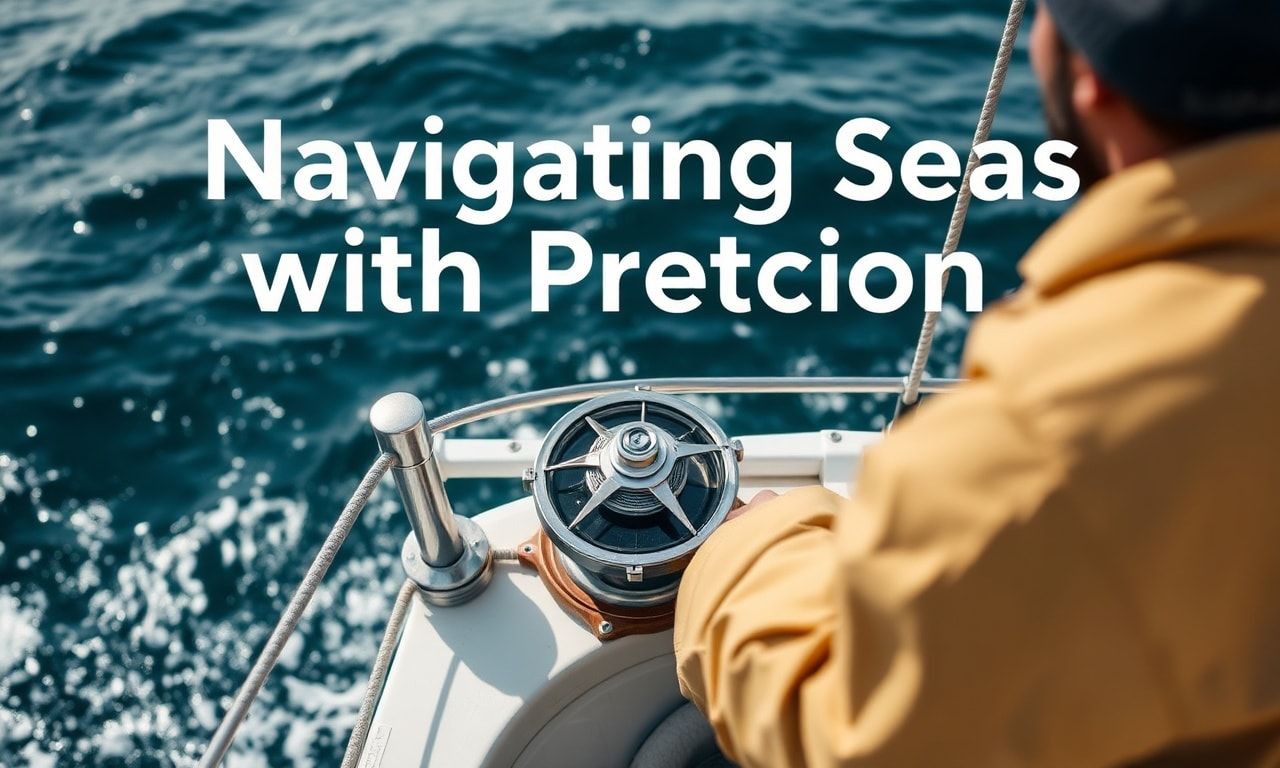
One of the most significant advancements in yachting technology is the development of advanced navigation systems. These systems leverage GPS, satellite imagery, and real-time data to provide precise and accurate navigation. Modern yachts are equipped with state-of-the-art navigation tools that offer features such as automatic collision avoidance, route planning, and weather forecasting. These systems not only enhance safety but also improve the overall sailing experience by allowing captains and crews to make informed decisions quickly and efficiently.
In addition to traditional navigation tools, many yachts now incorporate augmented reality (AR) technology. AR systems overlay digital information onto the real-world view, providing sailors with real-time data on their surroundings. This can include information on nearby vessels, underwater hazards, and optimal sailing routes. By integrating AR technology, yachts can achieve a new level of situational awareness, reducing the risk of accidents and improving navigation efficiency.
Cybersecurity in Yachting
As yachts become more connected, the need for robust cybersecurity measures has become increasingly important. Modern yachts are equipped with a variety of smart devices and systems that are interconnected through networks. While this connectivity enhances convenience and functionality, it also creates potential vulnerabilities that can be exploited by cybercriminals. To mitigate these risks, yacht owners and operators must implement comprehensive cybersecurity strategies.
One of the key aspects of cybersecurity in yachting is the use of encryption technologies. Encryption ensures that data transmitted between devices and systems is secure and protected from unauthorized access. Additionally, regular software updates and patches are essential to address any vulnerabilities that may arise. Yacht owners should also consider investing in dedicated cybersecurity solutions that are specifically designed for the maritime industry.
For those interested in staying updated on the latest cybersecurity trends and incidents, resources like 112 meldingen utrecht actueel overzicht provide valuable insights into real-time security threats and best practices. By staying informed and proactive, yacht owners can ensure that their vessels remain secure and protected from potential cyber threats.
The Role of Artificial Intelligence
Artificial intelligence (AI) is another technology that is transforming the yachting industry. AI-powered systems can analyze vast amounts of data to provide valuable insights and recommendations. For example, AI can be used to optimize fuel consumption, predict maintenance needs, and enhance passenger comfort. By leveraging AI, yachts can operate more efficiently and cost-effectively, while also providing a superior experience for their passengers.
AI can also be used to enhance safety on board yachts. For instance, AI-powered surveillance systems can monitor the vessel for potential security threats and alert the crew in real-time. Additionally, AI can be used to analyze weather patterns and predict potential hazards, allowing the crew to take proactive measures to ensure the safety of everyone on board.
Smart Yachts and IoT Integration
The Internet of Things (IoT) is another technology that is revolutionizing the yachting industry. IoT devices can be used to monitor and control various aspects of a yacht, from engine performance to environmental conditions. By integrating IoT devices, yachts can achieve a new level of automation and efficiency, reducing the need for manual intervention and improving overall performance.
For example, IoT sensors can be used to monitor the structural integrity of a yacht, detecting any potential issues before they become serious problems. Additionally, IoT devices can be used to control lighting, temperature, and other environmental factors, creating a more comfortable and enjoyable experience for passengers. By leveraging IoT technology, yachts can operate more efficiently and effectively, while also providing a superior experience for their passengers.
The Future of Yachting Technology
The future of yachting technology is bright, with numerous innovations on the horizon. From autonomous sailing to advanced energy storage solutions, the possibilities are endless. As technology continues to evolve, the yachting industry will undoubtedly benefit from these advancements, making it more efficient, secure, and enjoyable for everyone involved.
In conclusion, the intersection of technology and yachting is a fascinating and rapidly evolving field. By embracing the latest technological innovations, the yachting industry can achieve new levels of efficiency, security, and enjoyment. Whether it’s advanced navigation systems, cybersecurity measures, AI, or IoT integration, technology is playing a pivotal role in shaping the future of yachting.
Discover how data analytics is transforming the sports industry in our latest feature, sports tech innovations, and explore the cutting-edge intersection of technology and athletics.
Discover how Utrecht is integrating smart technology into urban planning with future-proofing city infrastructure, offering a glimpse into the future of tech-driven urban development.
In our fast-paced tech-driven world, maintaining mental well-being is crucial; discover how leisure activities can help in balancing work and life.