The Evolution of Technology in Yachting
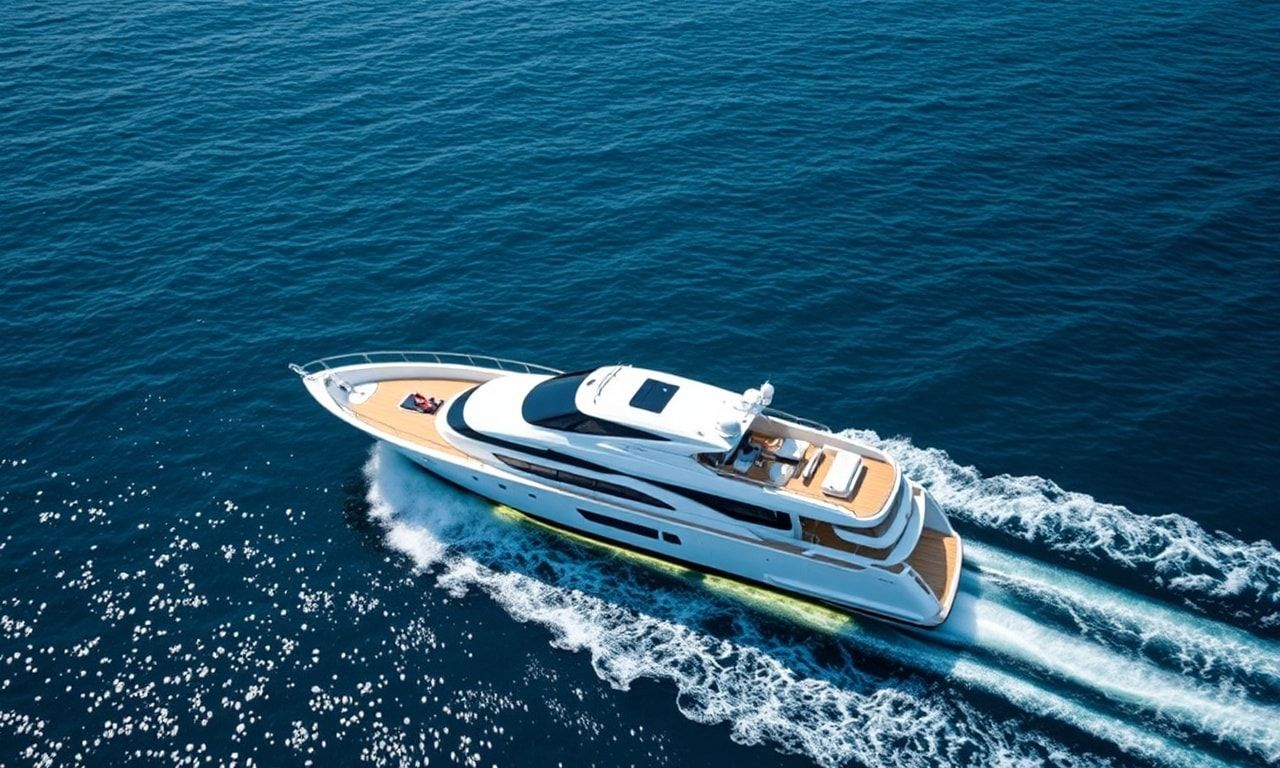
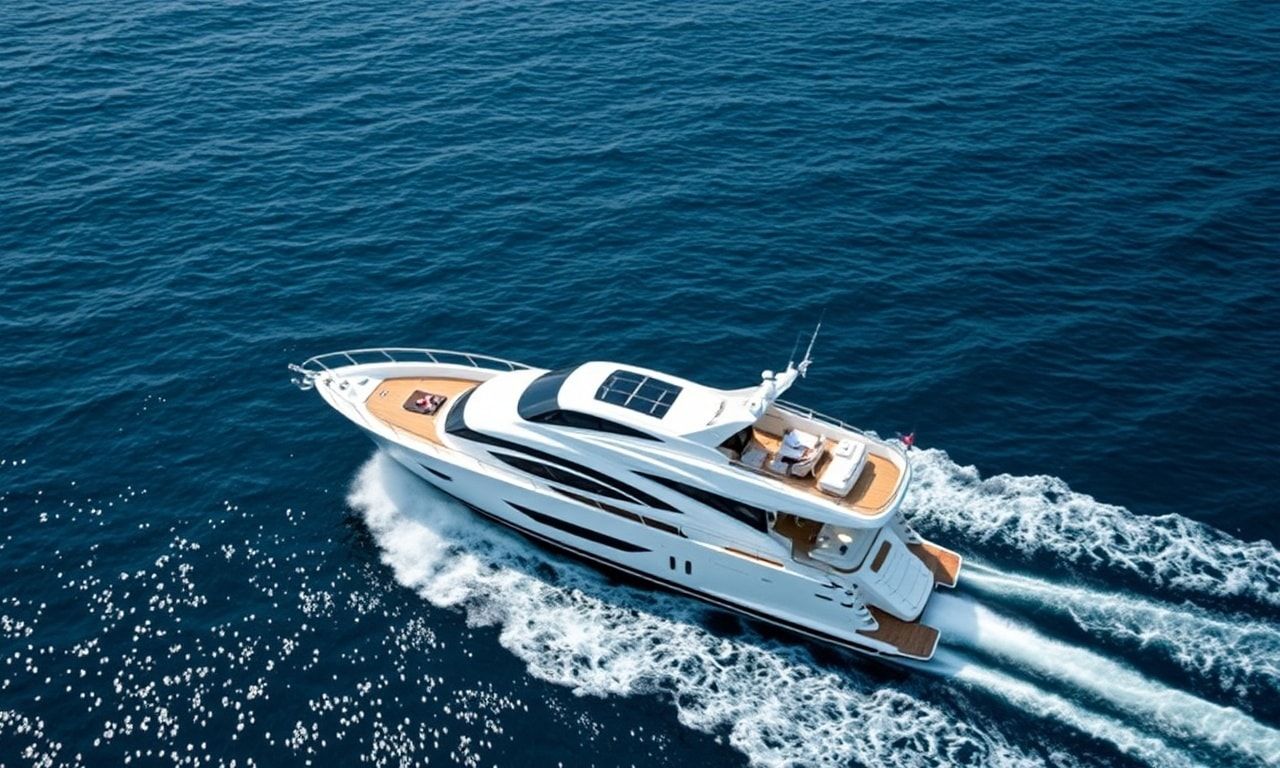
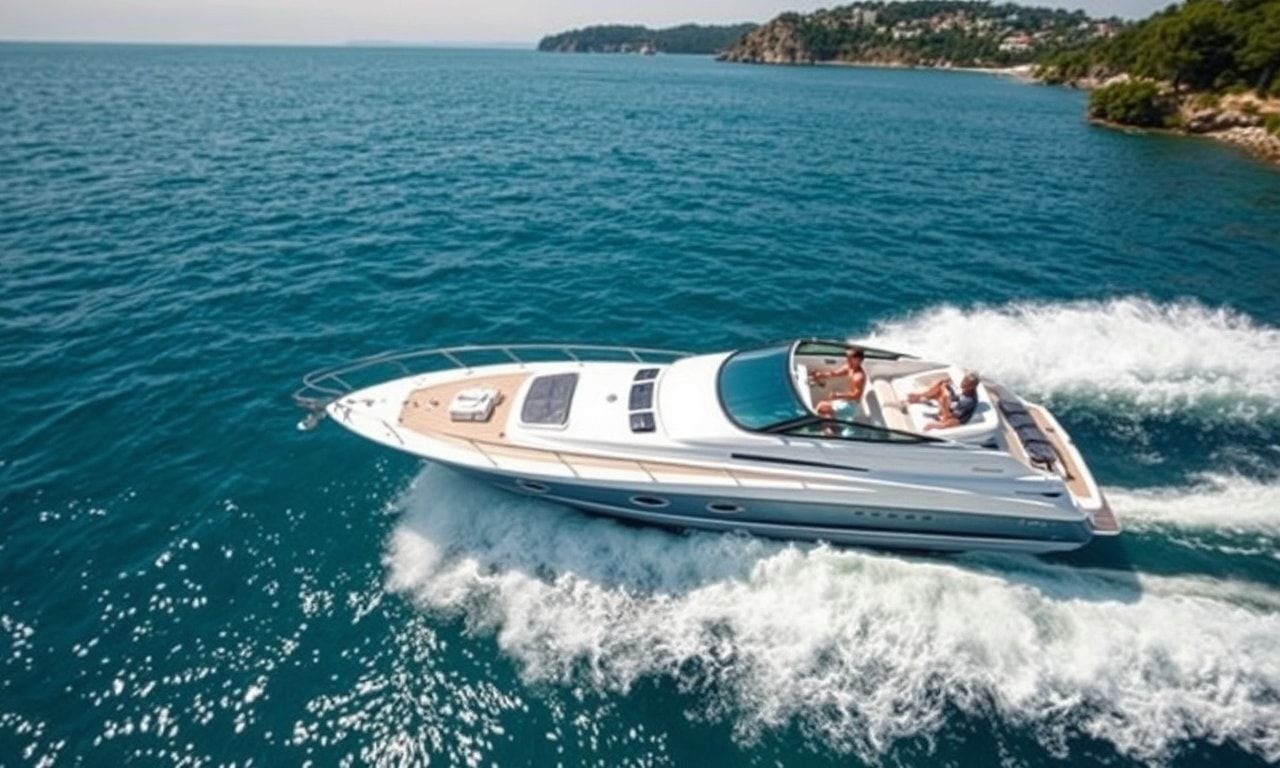
Yachting, once a realm dominated by traditional craftsmanship and manual navigation, has undergone a significant transformation with the advent of modern technology. The integration of advanced software, AI, and cybersecurity measures has revolutionized the way yachts are designed, operated, and maintained. This article delves into the cutting-edge technologies that are shaping the future of yachting, making it more efficient, safer, and environmentally friendly.
The Role of Software in Modern Yachting
Software solutions have become indispensable in the yachting industry. From design and construction to navigation and maintenance, software applications streamline processes and enhance performance. For instance, Computer-Aided Design (CAD) software allows engineers to create detailed 3D models of yachts, ensuring precision and optimizing structural integrity. Additionally, fleet management software helps yacht owners and operators track maintenance schedules, fuel consumption, and crew performance, leading to better decision-making and cost savings.
Moreover, the integration of AI-powered software has introduced predictive analytics to yachting. These systems analyze vast amounts of data to predict maintenance issues before they occur, reducing downtime and extending the lifespan of yachts. AI algorithms also optimize route planning, taking into account weather conditions, sea currents, and fuel efficiency to ensure the most efficient and safe journey.
Advanced Navigation Systems
Navigation has always been a critical aspect of yachting, and technological advancements have made it more accurate and reliable. Modern yachts are equipped with advanced navigation systems that combine Global Positioning System (GPS) technology, radar, and sonar to provide real-time data on the yacht’s position, surrounding obstacles, and underwater topography. These systems are often integrated with electronic chart display and information systems (ECDIS), which provide detailed nautical charts and real-time updates on navigational hazards.
Furthermore, the use of AI in navigation systems enhances situational awareness. AI algorithms can analyze data from multiple sensors and sources to predict potential hazards and suggest alternative routes. This not only improves safety but also optimizes the yachting experience by reducing travel time and fuel consumption.
Cybersecurity in Yachting
As yachts become more connected, the need for robust cybersecurity measures becomes paramount. Modern yachts are equipped with a variety of networked systems, including navigation, communication, and entertainment systems. These systems are vulnerable to cyber threats, which can compromise the safety and privacy of passengers and crew. To mitigate these risks, yacht owners and operators must implement comprehensive cybersecurity strategies.
One of the key aspects of cybersecurity in yachting is the use of encryption technologies. Encryption ensures that data transmitted between different systems is secure and cannot be intercepted by unauthorized parties. Additionally, regular software updates and patches are essential to address vulnerabilities and protect against emerging threats. Training crew members on cybersecurity best practices is also crucial, as human error is often a significant factor in cyber incidents.
For those interested in the latest technological advancements, it’s also worth exploring other areas where innovation is making a significant impact. For instance, the real estate sector has seen a surge in technological integration, particularly in konut kredi seçenekleri ve güncel faiz oranları. This highlights the broader trend of technology driving efficiency and security across various industries.
The Future of Yachting Technology
The future of yachting technology is bright, with several emerging trends poised to further revolutionize the industry. One such trend is the development of autonomous yachts. Autonomous yachts use AI and advanced sensor technology to navigate and operate without human intervention. While still in the experimental stages, autonomous yachts have the potential to enhance safety and efficiency, particularly in long-distance voyages.
Another promising technology is the use of renewable energy sources. Solar panels, wind turbines, and hydrogen fuel cells are being integrated into yacht designs to reduce reliance on fossil fuels and minimize environmental impact. These technologies not only contribute to sustainability but also offer cost savings in the long run.
Additionally, the Internet of Things (IoT) is playing an increasingly important role in yachting. IoT devices enable real-time monitoring and control of various systems on board, from engine performance to environmental conditions. This data can be analyzed to optimize operations, improve maintenance, and enhance the overall yachting experience.
Conclusion
The integration of technology in yachting has transformed the industry, making it more efficient, safer, and environmentally friendly. From advanced navigation systems to AI-powered predictive analytics and robust cybersecurity measures, technology continues to drive innovation in yachting. As we look to the future, emerging technologies such as autonomous yachts, renewable energy sources, and IoT devices promise to further revolutionize the way we experience yachting. Embracing these advancements will ensure that the yachting industry remains at the forefront of technological innovation.
As we stand on the brink of a technological revolution, understanding the innovations shaping our future is crucial; delve into transformative tech trends that are redefining industries and daily life.
Discover how tech advancements are revolutionizing the finance sector in our detailed exploration of financial technology innovations.
Discover how technology is reshaping urban environments in our latest feature, smart cities and property trends, where we delve into the impact of AI, IoT, and cybersecurity on real estate.