
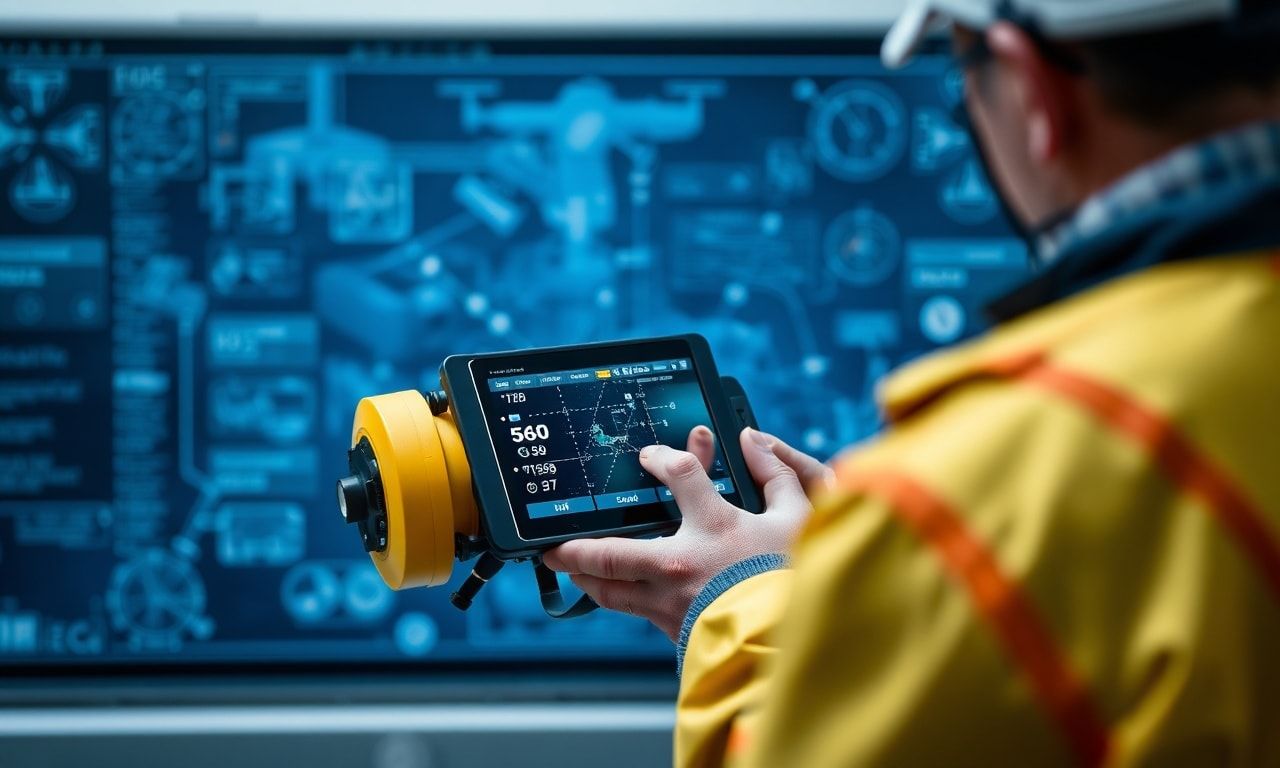
The Evolution of Maritime Technology
The maritime industry has witnessed a significant transformation over the years, driven by technological advancements. From the invention of the compass to the advent of GPS, technology has consistently played a pivotal role in enhancing navigation, safety, and efficiency. Today, the integration of artificial intelligence (AI), the Internet of Things (IoT), and advanced software solutions is revolutionizing the way we approach maritime operations.
The Role of AI in Modern Navigation
Artificial Intelligence is at the forefront of this technological revolution. AI-powered systems are capable of processing vast amounts of data in real-time, enabling more accurate predictions and decision-making. For instance, AI algorithms can analyze weather patterns, ocean currents, and vessel traffic to optimize routes and reduce fuel consumption. This not only improves efficiency but also contributes to environmental sustainability.
Moreover, AI is instrumental in enhancing maritime safety. Advanced AI systems can detect potential hazards, such as icebergs or other vessels, and alert the crew in real-time. This proactive approach significantly reduces the risk of accidents and ensures the safety of both the crew and the cargo. For the latest updates on how AI is being implemented in various sectors, you can refer to the local news coverage update.
IoT and Smart Ships
The Internet of Things (IoT) is another technological innovation that is transforming the maritime industry. IoT devices are embedded in various components of a vessel, from engines to cargo holds, to collect and transmit data. This data is then analyzed to monitor the vessel’s performance, predict maintenance needs, and optimize operations.
Smart ships, equipped with IoT devices, can operate more efficiently and safely. For example, sensors can detect potential mechanical issues before they become critical, allowing for timely maintenance and preventing breakdowns. Additionally, IoT-enabled cargo tracking systems ensure the integrity and security of the cargo, providing real-time updates to the ship’s crew and the cargo owners.
The Importance of Cybersecurity in Maritime Technology
As the maritime industry becomes increasingly digitized, the need for robust cybersecurity measures becomes paramount. Vessels equipped with advanced navigation and communication systems are potential targets for cyber threats. A breach in these systems can have severe consequences, including navigational errors, loss of communication, and even accidents.
To mitigate these risks, maritime companies are investing in advanced cybersecurity solutions. These include encryption technologies, intrusion detection systems, and regular security audits. Additionally, crew members are being trained in cybersecurity best practices to ensure they can identify and respond to potential threats effectively.
Software Solutions for Maritime Operations
Software solutions play a crucial role in modern maritime operations. From fleet management software to electronic chart display and information systems (ECDIS), these tools enhance efficiency and safety. Fleet management software, for instance, allows companies to monitor and manage their vessels in real-time, optimizing routes and reducing operational costs.
ECDIS, on the other hand, provides navigational data and charts in a digital format, reducing the reliance on paper charts and enhancing accuracy. These systems are equipped with advanced features such as route planning, collision avoidance, and real-time updates, making navigation safer and more efficient.
The Future of Maritime Technology
The future of maritime technology looks promising, with ongoing advancements in AI, IoT, and cybersecurity. The integration of these technologies is expected to further enhance navigation, safety, and efficiency in the maritime industry. Additionally, the development of autonomous vessels, powered by AI and IoT, is on the horizon. These vessels, capable of operating without human intervention, promise to revolutionize maritime operations, reducing costs and improving safety.
In conclusion, the maritime industry is undergoing a significant transformation driven by technological advancements. The integration of AI, IoT, and advanced software solutions is enhancing navigation, safety, and efficiency. As the industry continues to evolve, the need for robust cybersecurity measures becomes increasingly important. The future of maritime technology looks bright, with ongoing advancements promising to revolutionize the way we approach maritime operations.