The Evolution of Smart Yachting
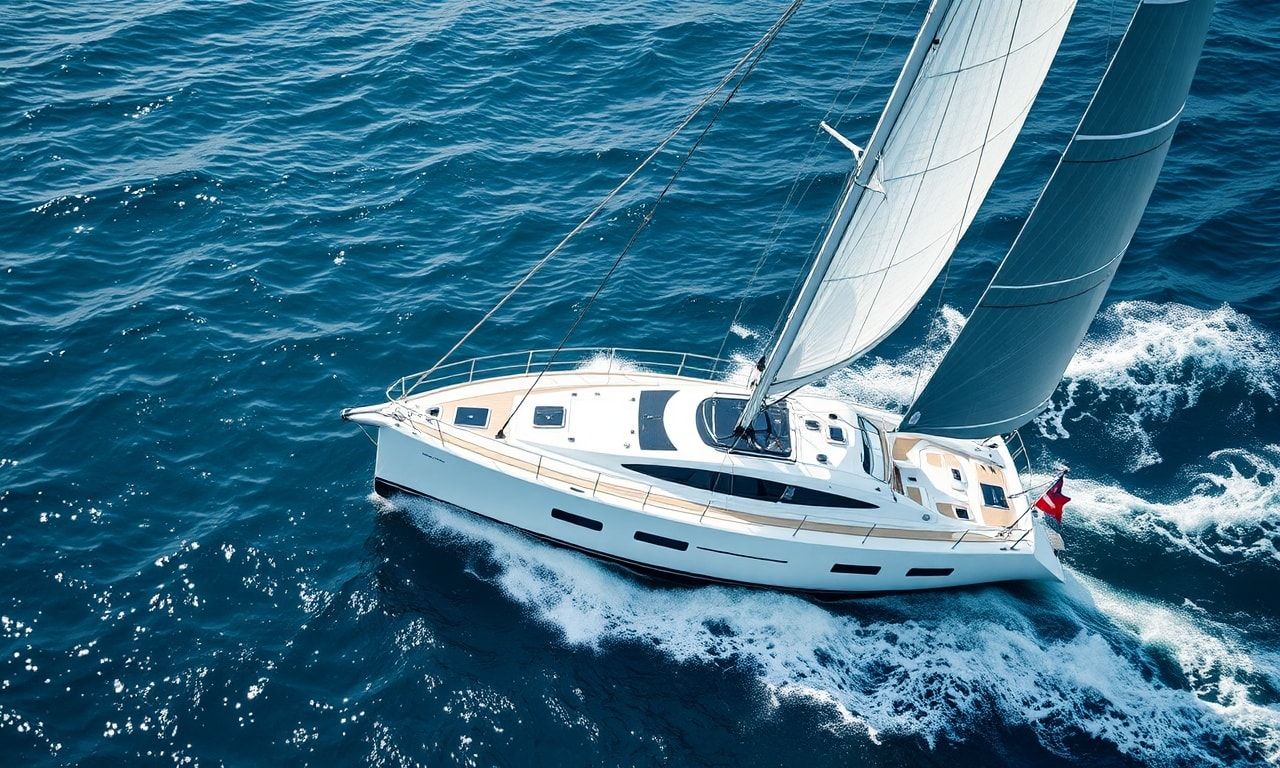
The maritime industry has long been a bastion of tradition, but the winds of change are blowing with the advent of smart technology. Yachting, once a realm of mechanical prowess and seafaring experience, is now embracing the digital revolution. From autonomous navigation to advanced cybersecurity measures, the integration of technology is transforming the way we experience the open seas.
Autonomous Navigation and AI
One of the most significant advancements in smart yachting is autonomous navigation. Artificial Intelligence (AI) and machine learning algorithms are now capable of processing vast amounts of data to make real-time decisions. These systems can analyze weather patterns, ocean currents, and other environmental factors to plot the most efficient and safe routes. AI-driven yachts can also learn from their experiences, continuously improving their performance and safety protocols.
For instance, companies like Mayflower Autonomous Ship (MAS) have already demonstrated the potential of AI in maritime navigation. Their autonomous ship, named after the famous 17th-century vessel, successfully crossed the Atlantic Ocean without any human intervention. This feat underscores the reliability and efficiency of AI-driven navigation systems, paving the way for similar advancements in the yachting industry.
The Role of Sensors and IoT
The Internet of Things (IoT) is another critical component of smart yachting. Sensors embedded throughout the vessel can monitor a wide range of parameters, from engine performance to water quality. These sensors are interconnected, forming a network that provides real-time data to both the crew and the AI systems. This interconnectedness allows for predictive maintenance, reducing the likelihood of mechanical failures and ensuring the safety of all onboard.
Moreover, IoT devices can enhance the overall experience for passengers. Smart cabins equipped with IoT devices can adjust lighting, temperature, and entertainment systems based on individual preferences. This level of personalization not only improves comfort but also adds a touch of luxury to the seafaring experience.
Cybersecurity in the Age of Smart Yachting
As yachts become more connected, the need for robust cybersecurity measures becomes paramount. The integration of AI, IoT, and other smart technologies creates numerous entry points for potential cyber threats. Hackers could potentially gain control of navigation systems, access sensitive data, or even compromise the safety of the vessel.
To mitigate these risks, yacht manufacturers and tech companies are investing heavily in cybersecurity solutions. Encryption, firewalls, and intrusion detection systems are just a few of the measures being implemented to protect smart yachts from cyber threats. Additionally, regular software updates and security audits are essential to ensure that the systems remain secure.
For those interested in enhancing their home security with smart technology, the product reviews recommendation guide offers valuable insights into the latest security gadgets and their effectiveness. While the focus is on home security, many of the principles and technologies discussed can be applied to the maritime environment as well.
The Future of Smart Yachting
The future of smart yachting is bright and full of potential. As technology continues to evolve, we can expect even more innovative solutions to emerge. From AI-driven maintenance to virtual reality (VR) simulations for crew training, the possibilities are endless.
One exciting development is the use of VR and augmented reality (AR) in yacht design and operation. VR can be used to create virtual prototypes of yachts, allowing designers to test and refine their designs before any physical construction begins. AR, on the other hand, can provide real-time information to crew members, enhancing their ability to perform their duties effectively.
Additionally, the integration of renewable energy sources, such as solar and wind power, is another area of focus. Smart yachts equipped with renewable energy systems can reduce their carbon footprint and operate more sustainably. This not only benefits the environment but also aligns with the growing demand for eco-friendly travel options.
Conclusion
The convergence of smart technology and yachting is ushering in a new era of seafaring. From autonomous navigation to advanced cybersecurity measures, the integration of technology is transforming the way we experience the open seas. As we look to the future, the possibilities are endless, and the potential for innovation is immense. The yachting industry is poised to embrace these advancements, ensuring that the seafaring experience remains safe, comfortable, and enjoyable for generations to come.
In the ever-evolving landscape of cybersecurity, understanding the advancements in email protection is crucial; delve into securing your Gmail account to stay ahead of potential threats.
Tech enthusiasts might be surprised to find that even the hair industry is influenced by technological advancements, as explored in hairstyle trends through history.
In the fast-paced world of tech and innovation, it’s refreshing to explore enduring trends; consider the elegance of pearl necklaces that transcends time and tech.