The Evolution of Maritime Technology
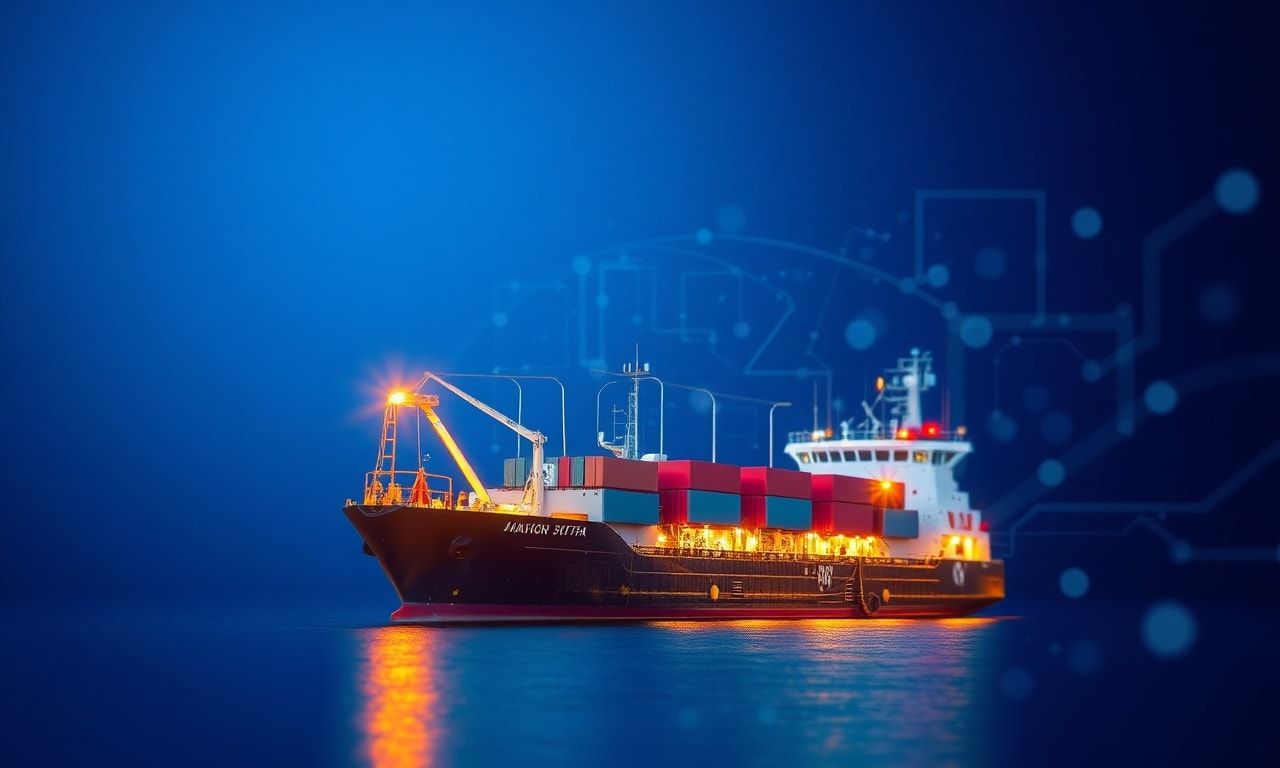
The maritime industry has long been a cornerstone of global trade and transportation. Over the years, technological advancements have significantly transformed this sector, making it more efficient, safer, and environmentally friendly. From the advent of GPS navigation to the integration of artificial intelligence (AI) and the Internet of Things (IoT), the maritime industry is undergoing a digital revolution. This article explores the latest technological innovations that are reshaping the maritime landscape, with a particular focus on yachting and luxury vessels.
GPS and Advanced Navigation Systems
GPS technology has been a game-changer for maritime navigation. It provides accurate positioning and timing information, enabling vessels to navigate through complex waterways with ease. Advanced navigation systems now integrate GPS with other technologies such as radar, sonar, and electronic charts to offer comprehensive situational awareness. These systems not only enhance safety but also optimize routing, reducing fuel consumption and emissions.
For yachting enthusiasts, advanced navigation systems are indispensable. They allow for precise course plotting, real-time weather updates, and collision avoidance. With the integration of AI, these systems can predict potential hazards and suggest alternative routes, ensuring a smoother and safer journey.
The Role of AI and Machine Learning
Artificial intelligence and machine learning are revolutionizing the maritime industry by enabling predictive maintenance, automated operations, and enhanced decision-making. AI algorithms can analyze vast amounts of data from sensors and other sources to predict equipment failures before they occur. This proactive approach reduces downtime and maintenance costs, ensuring that vessels remain operational and efficient.
In the realm of yachting, AI is being used to optimize performance and enhance the onboard experience. For instance, AI-powered systems can adjust sail trim and rudder angles in real-time to maximize speed and efficiency. Additionally, AI can be used to manage onboard systems such as lighting, temperature, and entertainment, creating a personalized and comfortable environment for passengers.
Cybersecurity in the Maritime Industry
As the maritime industry becomes increasingly digitized, the importance of cybersecurity cannot be overstated. Vessels are now equipped with a plethora of connected devices and systems, making them vulnerable to cyber threats. A single breach can compromise navigation systems, communication networks, and even the safety of the vessel and its passengers.
To mitigate these risks, maritime companies are investing in robust cybersecurity measures. This includes the implementation of firewalls, encryption, and intrusion detection systems. Regular security audits and employee training are also crucial to ensure that all personnel are aware of potential threats and best practices for maintaining cybersecurity.
For yachting, cybersecurity is equally important. Luxury vessels often carry sensitive information and valuable assets, making them attractive targets for cybercriminals. By staying informed about the latest immigration policy news update and other relevant cybersecurity developments, yacht owners and operators can better protect their vessels and passengers.
The Future of Maritime Technology
The future of maritime technology is bright, with several exciting developments on the horizon. Autonomous vessels, powered by AI and advanced sensors, are expected to become more common in the coming years. These vessels will be capable of navigating and operating without human intervention, reducing the risk of human error and improving efficiency.
Additionally, the integration of renewable energy sources such as solar and wind power is gaining traction. These technologies not only reduce the environmental impact of maritime operations but also lower fuel costs. As the industry continues to evolve, we can expect to see more innovative solutions that enhance sustainability and efficiency.
In conclusion, the maritime industry is undergoing a technological renaissance. From advanced navigation systems to AI-powered automation and robust cybersecurity measures, these innovations are transforming the way we navigate the seas. For yachting enthusiasts, staying informed about these developments is crucial to ensuring a safe, efficient, and enjoyable experience on the water.
As e-commerce continues to evolve, understanding the future of shopping is crucial for tech enthusiasts; delve into the digital commerce landscape to see how innovations are shaping the industry.
To understand how tech hubs drive economic growth, explore Manchester’s tech-driven revival and its impact on innovation.
In our fast-paced tech-driven world, finding joy in daily life can be a challenge, which is why we suggest exploring happiness within your home to create a more balanced and fulfilling lifestyle.