The Digital Canvas: How Technology is Transforming Art
The art world is undergoing a profound transformation, driven by technological advancements that are redefining the way artists create, share, and monetize their work. From digital painting software to AI-generated art, technology is opening up new avenues for creativity and expression. This article explores the latest innovations in digital art, highlighting how these tools are empowering artists and changing the creative landscape.
Digital Painting and Illustration
Digital painting and illustration have become mainstream, thanks to powerful software and hardware tools that mimic traditional art techniques. Programs like Adobe Photoshop, Procreate, and Corel Painter offer artists a wide range of brushes, textures, and effects that can replicate everything from watercolors to oil paints. These tools allow artists to experiment with different styles and techniques, often with greater flexibility and precision than traditional media.
One of the most exciting aspects of digital painting is the ability to undo mistakes and make changes without starting over. This feature alone has revolutionized the creative process, allowing artists to explore new ideas and techniques with greater freedom. Additionally, digital art can be easily shared and distributed online, reaching a global audience and opening up new opportunities for collaboration and exposure.
The Rise of AI in Art
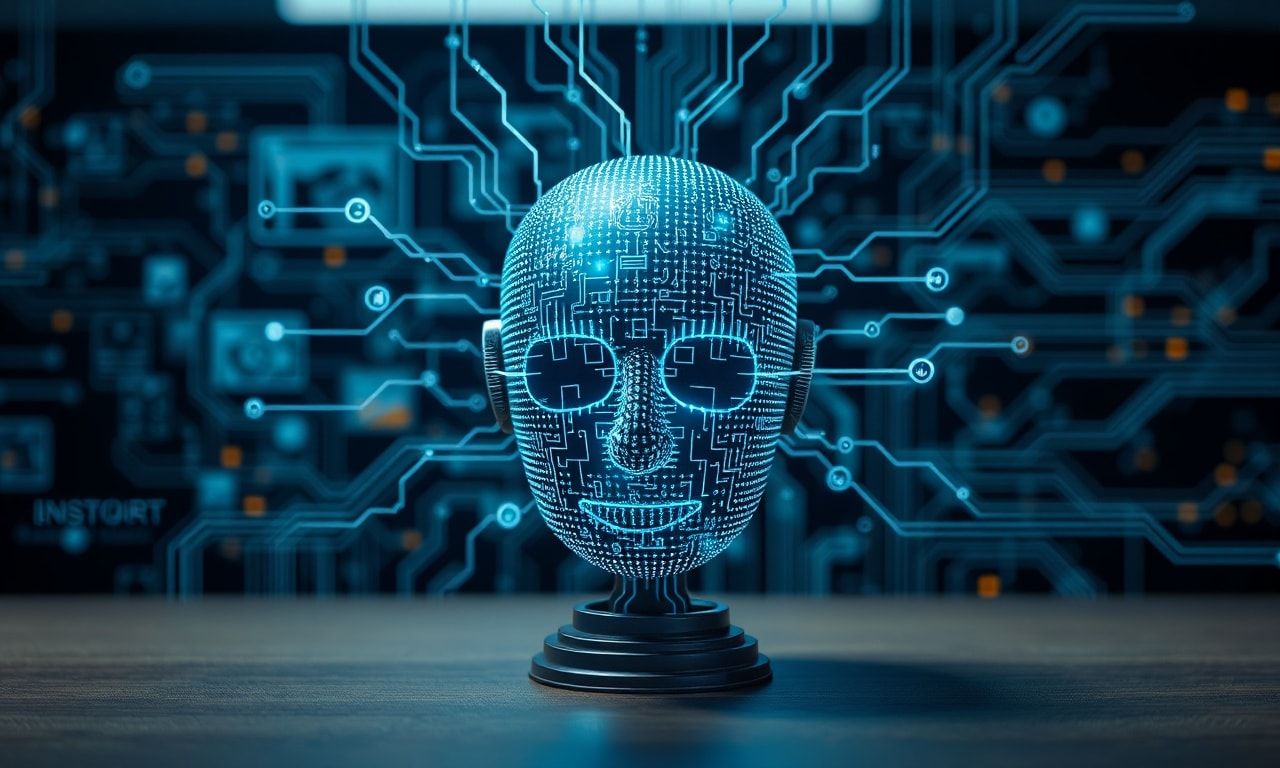
Artificial intelligence is making waves in the art world, with algorithms capable of generating original artwork, composing music, and even writing poetry. AI-powered tools like DeepDream, DALL-E, and Artbreeder use machine learning to create unique and often surreal images based on input from artists or users. These tools can generate a vast array of styles and themes, providing artists with a new source of inspiration and creativity.
While some traditionalists argue that AI-generated art lacks the emotional depth and intent of human-created works, others see it as a complementary tool that can enhance and expand the creative process. AI can be used to generate initial ideas, refine compositions, or even create entire pieces that artists can then build upon. The potential for collaboration between human artists and AI is vast, and the future of AI in art is likely to be a fascinating and evolving landscape.
Printmaking Techniques in the Digital Age
Printmaking, a traditional art form that involves creating multiple copies of an image using techniques like etching, lithography, and screen printing, is also being transformed by technology. Digital printmaking techniques allow artists to create high-quality prints with greater precision and consistency than ever before. Tools like 3D printers and laser cutters are being used to create intricate and detailed prints that would be difficult or impossible to achieve with traditional methods.
For those interested in learning more about printmaking techniques, resources like the printmaking techniques tutorial can provide valuable insights and guidance. These tutorials often cover a range of topics, from the basics of printmaking to advanced techniques and tools, making them an excellent resource for both beginners and experienced artists.
The Impact of Technology on Art Education
Technology is also revolutionizing art education, making it more accessible and interactive than ever before. Online courses, virtual reality (VR) experiences, and digital art communities are providing artists with new ways to learn, collaborate, and share their work. Platforms like Skillshare, Udemy, and YouTube offer a wealth of tutorials and courses on digital art, allowing artists to learn at their own pace and from the comfort of their own homes.
VR technology is another exciting development in art education. VR art tools like Tilt Brush and Gravity Sketch allow artists to create three-dimensional art in a virtual environment, providing a unique and immersive way to explore new techniques and styles. These tools are particularly useful for artists who want to experiment with spatial art and 3D modeling, offering a new dimension to the creative process.
The Future of Digital Art
The future of digital art is bright, with new technologies and tools constantly emerging to push the boundaries of creativity. From AI-generated art to VR experiences, the possibilities are endless. As technology continues to evolve, it will undoubtedly open up new avenues for artists to explore, providing them with the tools and resources they need to create groundbreaking and innovative works.
Whether you’re a seasoned artist or just starting out, embracing technology can enhance your creative process and open up new opportunities for growth and collaboration. By staying informed about the latest innovations and tools, you can stay ahead of the curve and continue to push the boundaries of what’s possible in the world of digital art.
To stay ahead in the ever-evolving tech landscape, dive into AI’s role in cybersecurity and understand its transformative impact on digital defense mechanisms.
Innovations in tech have always pushed creative boundaries, and one fascinating intersection is between art and clothing; discover how painting techniques enhance fashion design in this insightful article.
As tech innovations continue to reshape our work environments, explore how remote work is transforming industries in our latest feature.